

Author Name
Author Name
Author Name
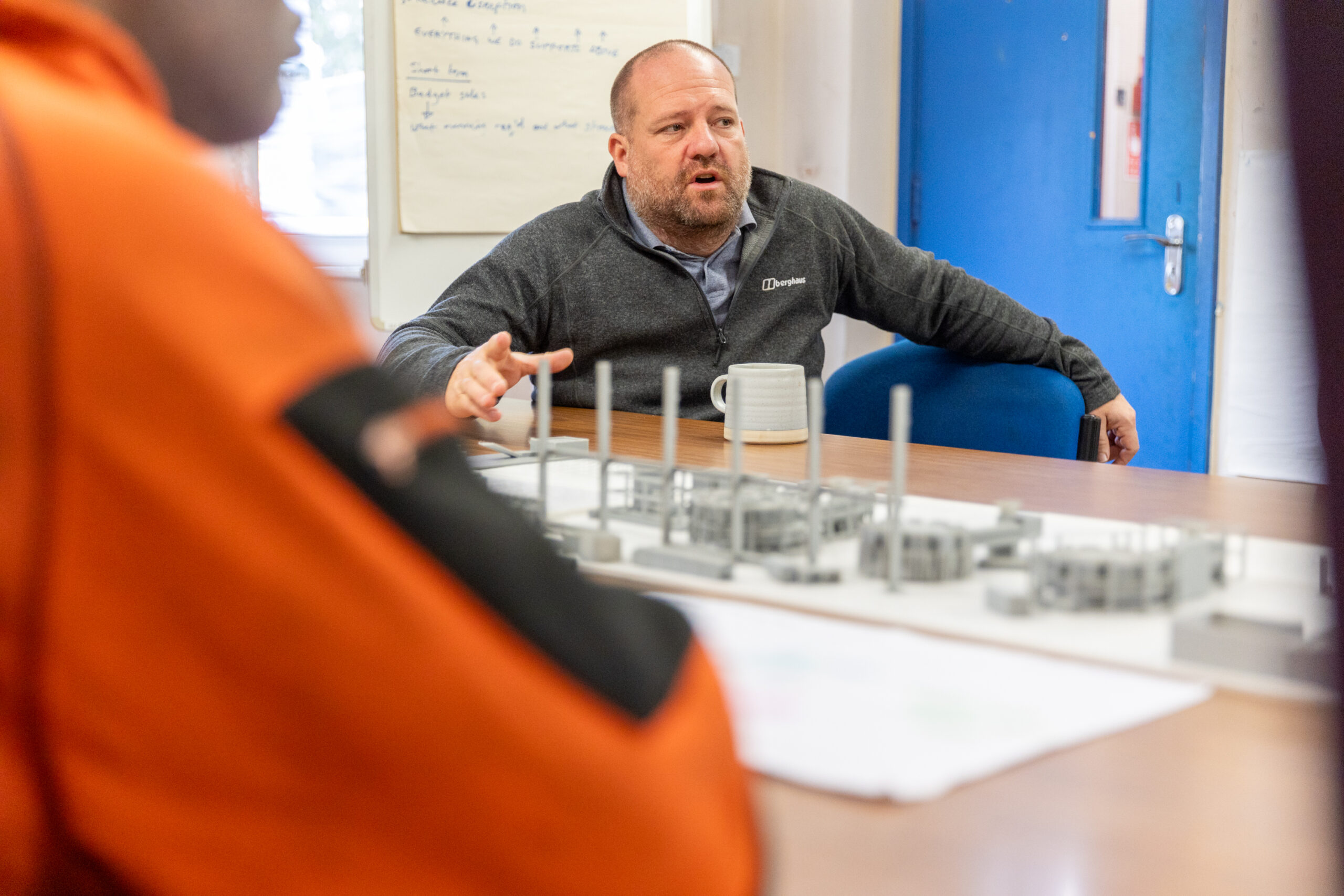
Can you tell us about your journey to becoming Managing Director at Heyside Group?
We’ve been going for about 15 years now. My dad and I set the business up together, and it was very small back then. I was very hands on from the start. Initially, it was mainly about recycling rather than manufacturing products.
My dad had already been working in the industry for around 30 years. I didn’t want to go to university – I always knew this was what I wanted to do. Instead, I did a Business and Finance course at night school for two years to better understand how to run a business. Everything else, I’ve learned on the job.
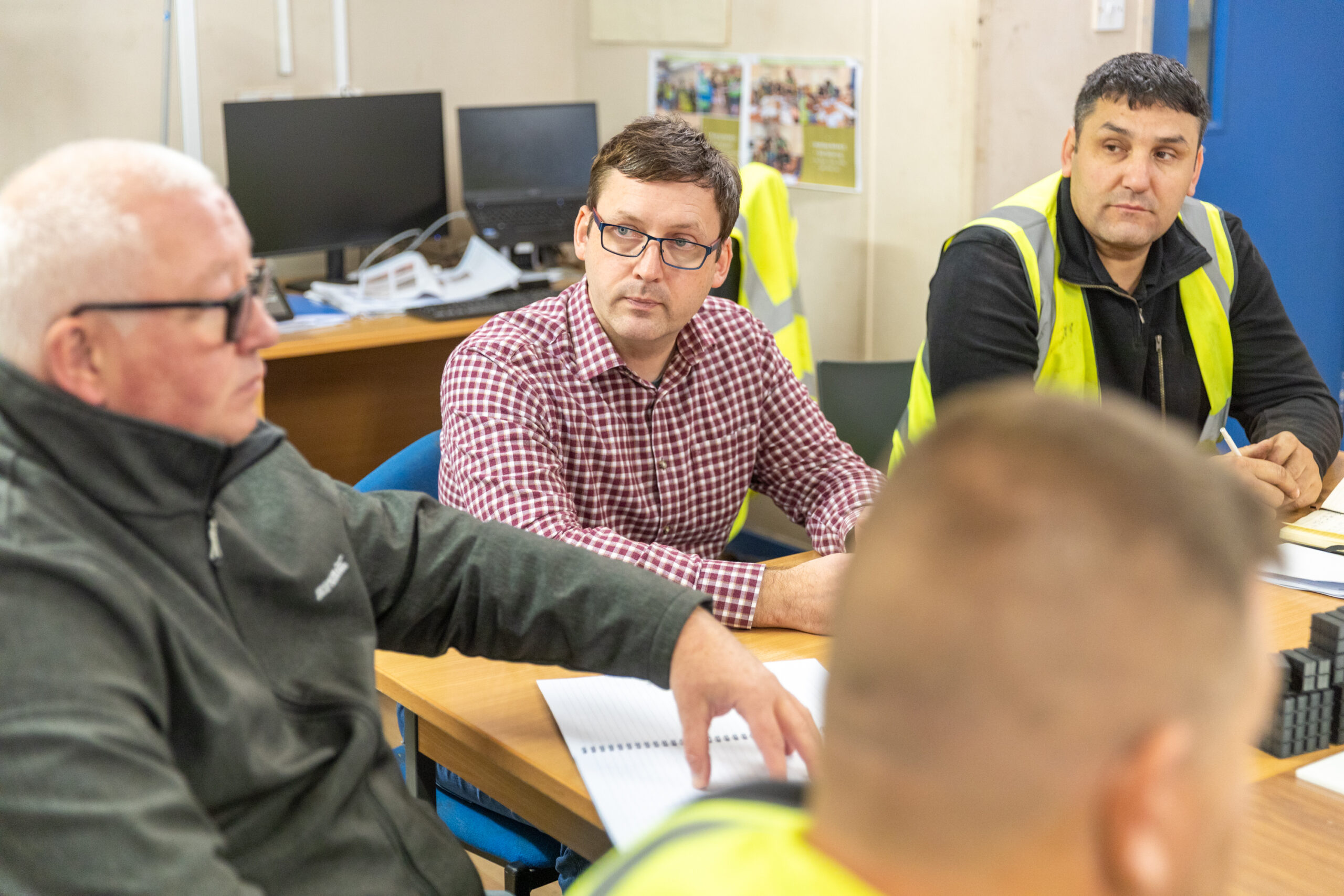
How would you describe your leadership style, and how has it evolved over time?
Some people would probably say I’m a bit scary, while others might say I’m too soft! I’ve learned by doing, and I’ve done most of the jobs on the factory floor. The team know I understand the work because I’ve been there myself, in their shoes.
I think people would say I’m approachable. I never stop learning – there’s still a lot I want and need to learn. I’m always willing to try new things, and I understand how important innovation is if you want to stay competitive.
What lessons from your career have most shaped the way you run the business today?
One big lesson is that business isn’t linear. You often learn more during the tough times than when everything is going well. I also strongly believe in sticking to what you know best. When you stray too far from your strengths, it can often come back to bite you.

For readers who may not know Heyside Group, how would you describe the business and its core strengths?
Our biggest strength is the relationships we build with our partners and customers. We focus on great communication and honesty – not just telling customers what they want to hear, but what they need to hear. That openness builds trust, and trust is a huge word for us as a business.
What differentiates Heyside Group from other plastics manufacturers in the UK?
Not many companies do what we do. We handle both the recycling process and the manufacturing of new products from that recycled material. Many businesses focus on just one part of the process, but doing both means we’re in control.
How important is British manufacturing to your identity as a business?
British manufacturing is a core part of who we are and how we operate. It reflects our commitment to quality, high standards, and doing things properly. As the business grows, that heritage becomes even more important because it underpins the trust we build with customers and partners. For many, it’s a mark of consistency, reliability, and long-term value rather than just where something is made.
What role does investment in machinery, technology, or skills play in staying competitive?
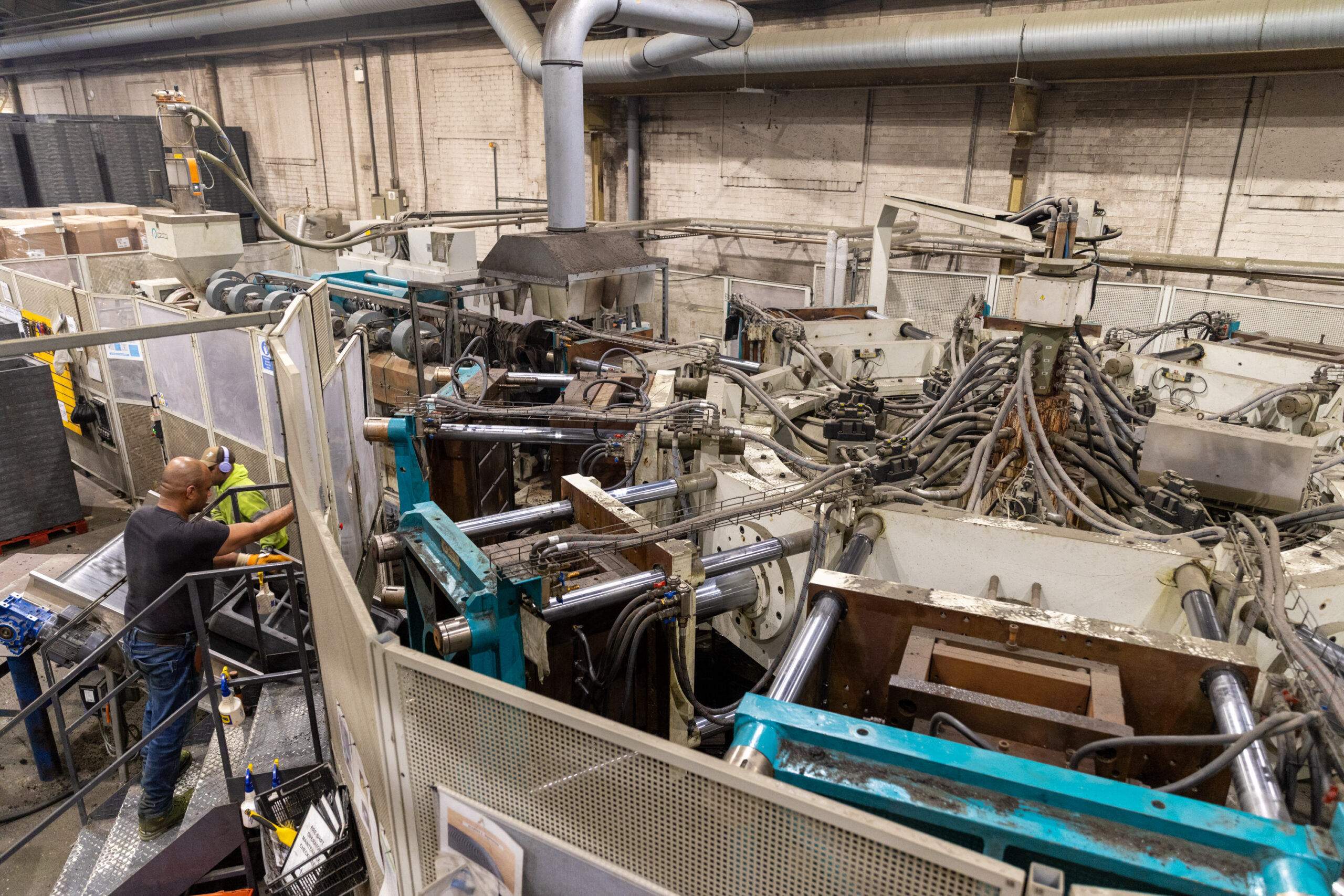
If we hadn’t invested the way we have, we wouldn’t be where we are today – we’d be a much smaller business. You have to invest to stay ahead. Alongside that, using Lean Management and embracing new technologies such as AI and robotics is absolutely crucial.
How closely do you work with customers during product design and development?
Collaboration is essential. We work closely with customers and through Knowledge Transfer Partnerships (KTPs), while also bringing new skills into the business. That approach is allowing us to diversify and develop more recycled plastic products.
Are there particular sectors where Heyside Group really excels?
The water industry is a sector where we particularly excel. It’s a growing area for us, and the budgets for the next five years are very encouraging. Products like chambers and cones play an important role in water board service work for example.
That said, it’s important not to put all our eggs in one basket, so we’re also focused on growing in other areas too.
How is Heyside Group responding to increasing demands for sustainability and environmental responsibility?
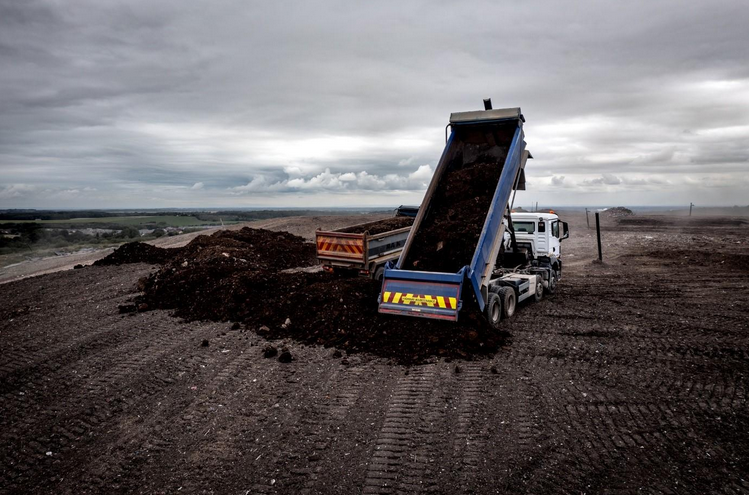
This is something we take very seriously. Our entire business is built on recycling plastics and repurposing them into new products. That directly reduces landfill and waste, so sustainability and environmental responsibility are at the heart of what we do.
Do you see sustainability as a challenge, an opportunity, or both?
Both. It’s a challenge because it isn’t easy and there’s a cost involved. But the opportunity is huge. We’re currently diverting around 400 tonnes of plastic a week from landfill, and we expect that to rise to closer to 500 tonnes a week within the next 12 months.
We’re also investing in a new sub-station so we can move away from using a diesel generator, which will reduce our carbon footprint. Updating machinery helps the environment, but in the long term it can also significantly reduce running costs.

How would you describe the culture at Heyside Group?
Many of our team have been with us since the early days, although things are changing as we upskill people and bring new talent into the business. The team works well together and there’s a strong sense of togetherness.
How important are long term relationships with employees and customers?
Long-term relationships are fundamental to how we operate. We focus on building partnerships based on trust, consistency and shared goals, both with our people and with our customers. At the same time, we’re continuing to broaden our capabilities and markets, including exports and exploring new applications such as concrete alongside plastic, to ensure the business remains resilient and well-balanced for the long term.
What role does skills development or apprenticeships play in the company?
Through our KTPs, we’re bringing new skills into the business. We currently have a three year placement focused on upgrading recycled plastics for resale, and another working on an implementation plan for robotics in the factory.
We’ve recently invested in a robotic arm to remove manual labour tasks such as paint spraying. In time, we’d like to see four or five robots on the production floor to drive even greater efficiency.
What have been some of the biggest challenges in recent years?
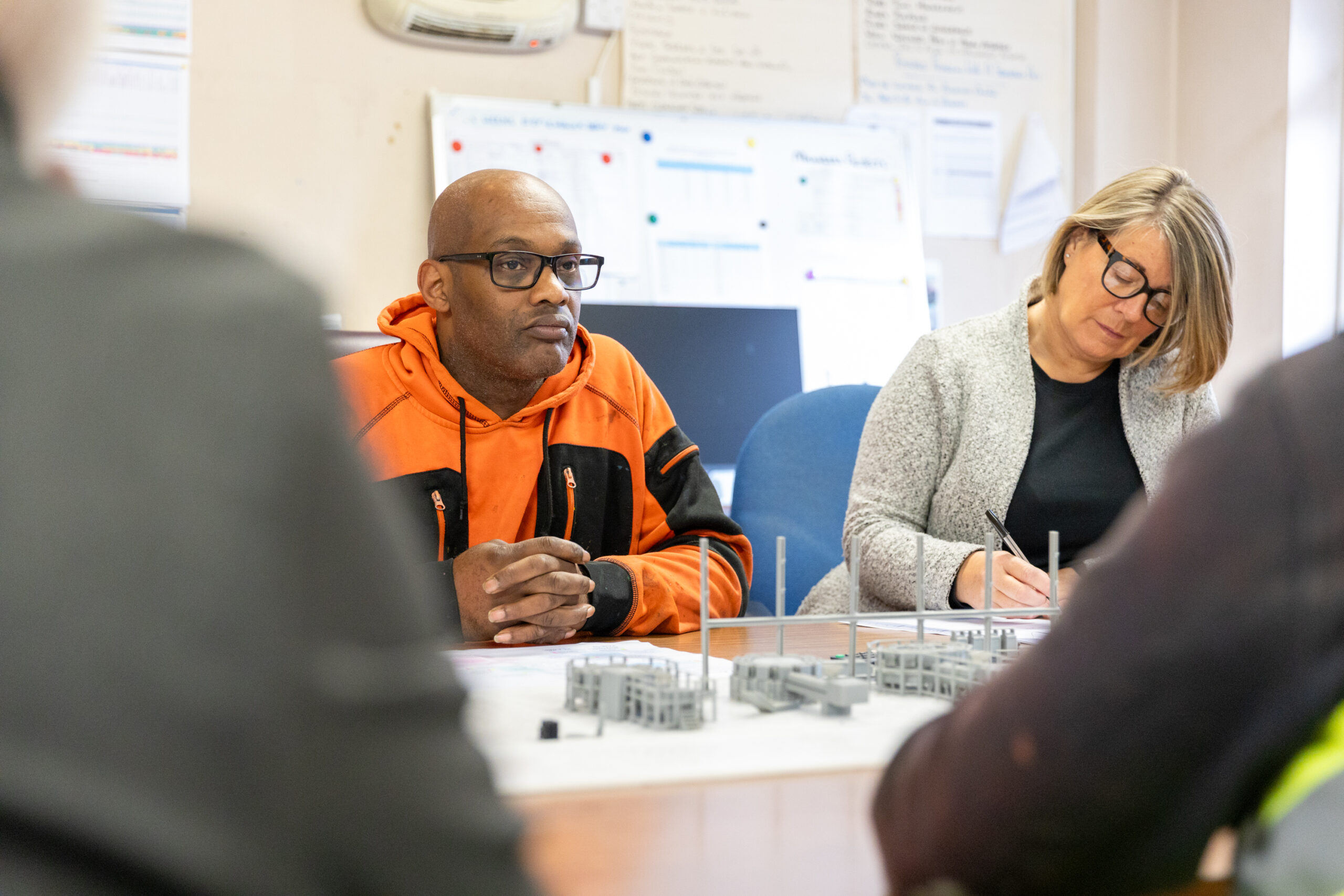
Finding quality skilled people has been a big challenge, along with rising staff costs due to increases in the minimum wage. That’s why we’re keen to invest in upgrading the skills of people who come to work here.
How have economic pressures and regulation affected the business?
With rising costs such as wages and energy, we’ve had to become leaner and more efficient. We’ve also recently employed a Compliance Manager because keeping on top of regulatory and legal requirements is becoming increasingly important.
What has helped Heyside Group remain resilient?
Not being afraid to invest, and adopting Lean Management throughout our manufacturing processes.
What does the next five years look like for Heyside Group?
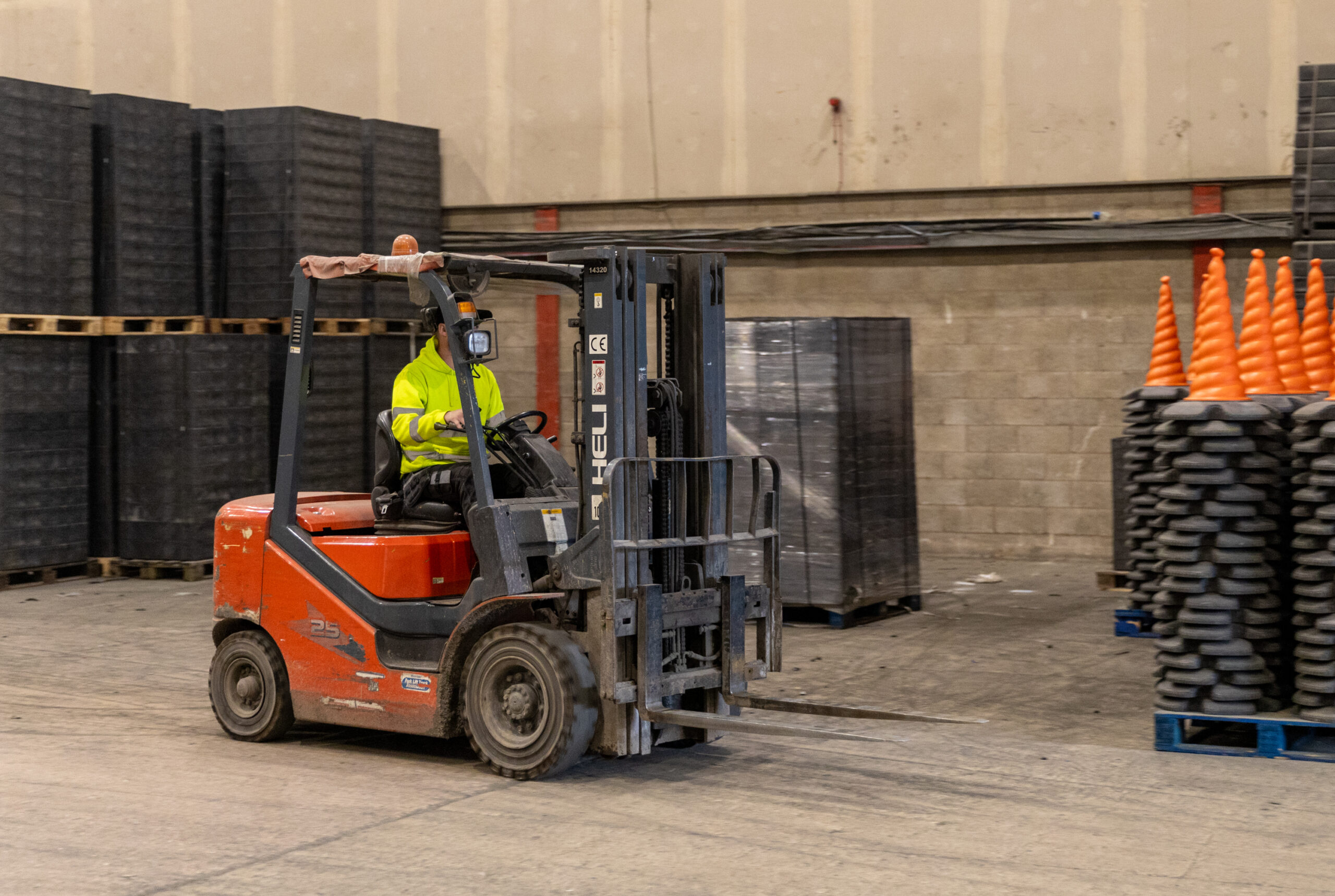
I’m still hungry for growth. With our new investments, machinery and a growing team, we’re looking to move from around 75% to 90% capacity within the next two years. That alone could enable growth of around 50%.
Longer term, we’d be looking at developing a new manufacturing facility of our own.
Are there new markets or technologies you’re excited about?
Absolutely. We’ve recently partnered with Fantastic Media to help shape our strategy, marketing and structure as we expand into new markets. Advances in AI and robotics really excite me, as does bringing new skills into the business.
How do you want customers and partners to think about Heyside Group in the future?
That we’re a great partner. We build strong relationships, we grow together, and we do what we say we’ll do. We’re loyal, and ideally, you won’t need to buy from or sell to anyone else!
On a personal level, what continues to motivate you?
I’m genuinely excited about what’s happening in the business right now. I still get a buzz from coming to work. There’s a lot to do, and we’re on a great path – but we want to make sure we grow step by step, without trying to go too fast, too soon.
Meet some more the of team at Heyside here.
FAQS
CONCLUSION
Ready to start your project?
Get in touch with Heyside Group to discuss your idea, request a feasibility review,
or explore tooling options tailored to your application.