
Closed loop plastic recycling: How Heyside Group supports the circular economy

Closed loop plastic recycling: How Heyside Group supports the circular economy

Author Name

Garreth Brown
April 16, 2026

Author Name

Garreth Brown
April 16, 2026

Author Name

Garreth Brown
April 16, 2026
With plastics manufacturers and plastics suppliers alike facing increasing pressure to reduce their environmental footprint, closed loop plastic recycling is helping to meet the growing demand for sustainable products. Here at Heyside Group, we’re using these principles to recycle 300-400 tonnes of UK plastic waste per week for our traffic management and construction infrastructure products – Managing Director, Matt Pryce, explains how in our latest blog.
What is closed loop plastic recycling?
The benefits of closed loop plastic recycling in construction and traffic infrastructure production
How Heyside Group integrates closed loop plastic recycling in its production process
What is closed loop plastic recycling?
The benefits of closed loop plastic recycling in construction and traffic infrastructure production
How Heyside Group integrates closed loop plastic recycling in its production process
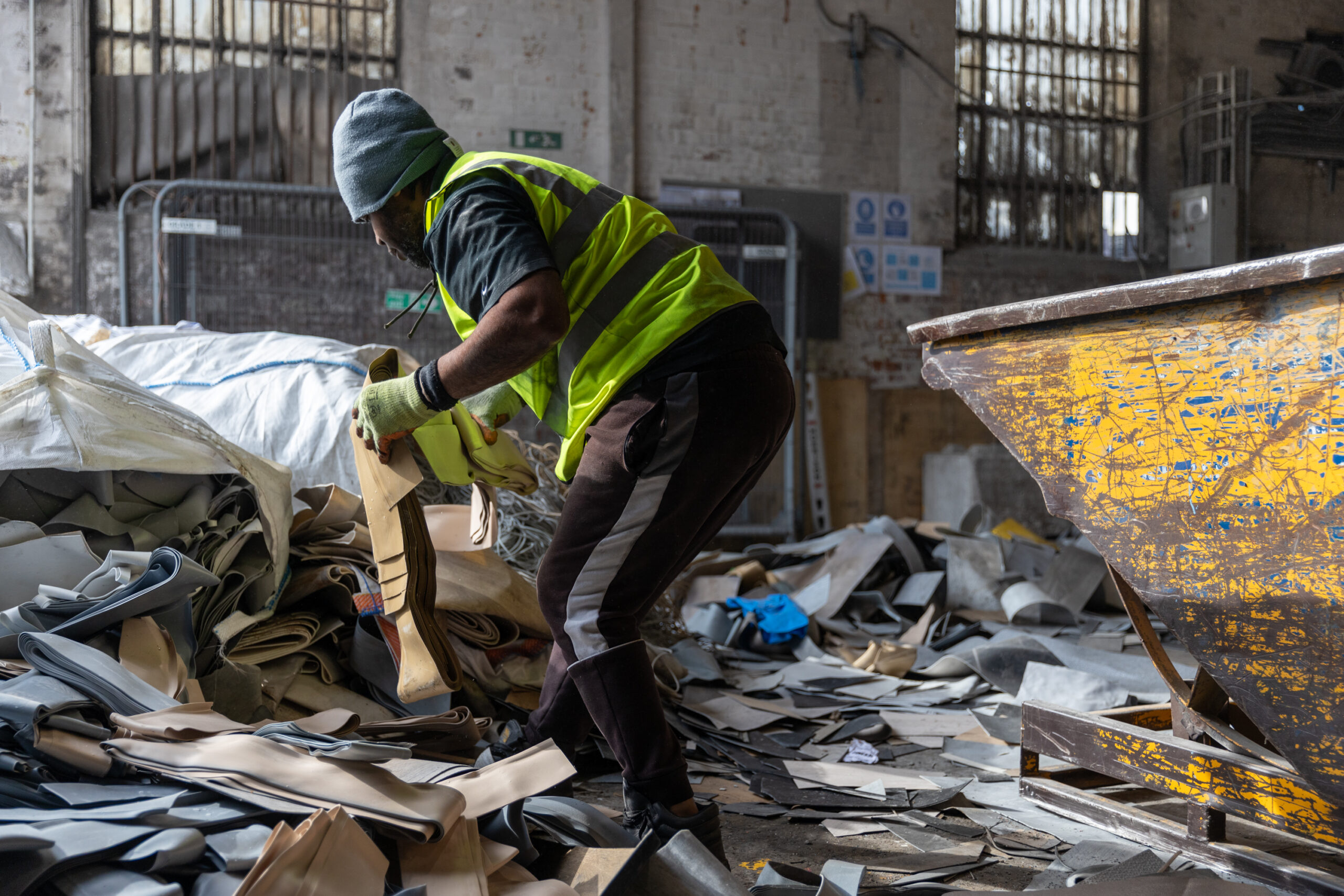
Heyside Group team member sorting through recycled plastic
What is closed loop plastic recycling?

Closed loop plastic recycling is when plastic waste is collected and remanufactured, to make products that are the same or similar to the original products used, reusing materials in a continuous cycle that preserves quality.

Well-known examples of closed loop recycling include where used PET bottles are cleaned and reprocessed into new bottles, and where LDPE film is remade into new bags or packaging. Closed loop principles can also be applied to the production of construction and traffic management infrastructure, where unwanted or damaged plastic can be repurposed into new parts like cone bases and barrier feet.

Here at Heyside Group, we recycle 300-400 tonnes of plastic each week, taking scrap like cable sheathing and flooring which would ordinarily go to UK landfill, and turning it into usable products for multiple sectors. We also recycle end-of-life products, regrinding, remoulding, and sending products back out for reuse on roads and onsite.
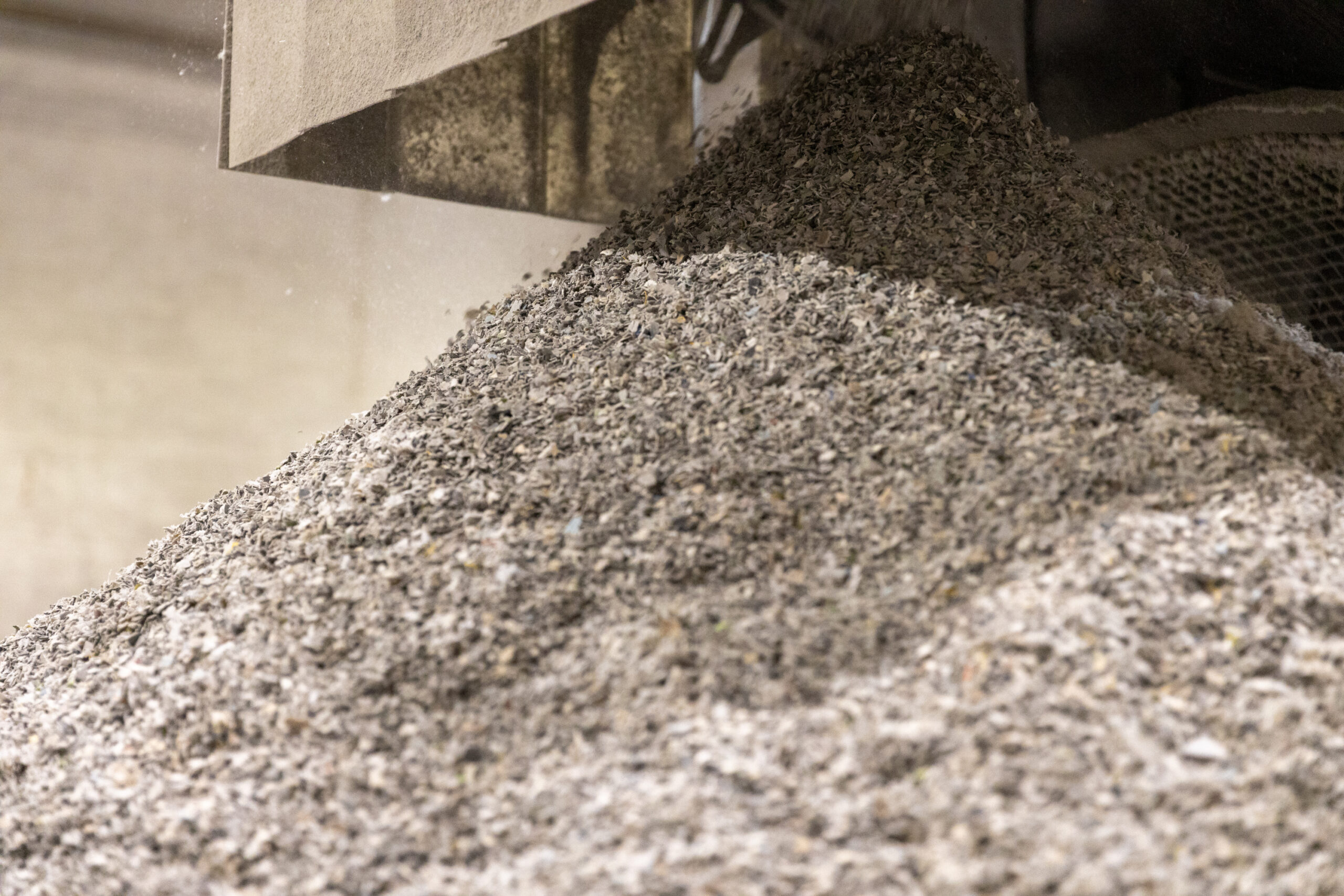
Pile of recycled plastic diverted from UK landfills
The benefits of closed loop plastic recycling in construction and traffic infrastructure production

If you’re supplying construction and traffic infrastructure made from plastic, you can lower your carbon emissions and reduce waste by choosing products made from recycled components.

Benefits of working with a UK manufacturer, like Heyside, that uses closed loop plastic recycling principles include:
  • Reduced carbon footprint: Manufacturing products from recycled plastics requires less energy than using virgin plastics, lowering carbon emissions and reducing the overall footprint of the products you buy, sell, and use.
  • Less landfill waste: Recycling plastic materials, like existing infrastructure products, diverts high-quality plastic waste from landfills, helping the shift to a circular economy where there’s less need for virgin material production.
  • Consistent material quality: Remaking products from existing infrastructure already proven to last the test of time certifies that the plastic used has proven durability, maintaining integrity even when recycled multiple times.
  • Strengthened supply chain resilience: By choosing products made from recycled plastic, you reduce your dependency on volatile virgin material availability, making sure you can meet your client’s needs when others can’t.
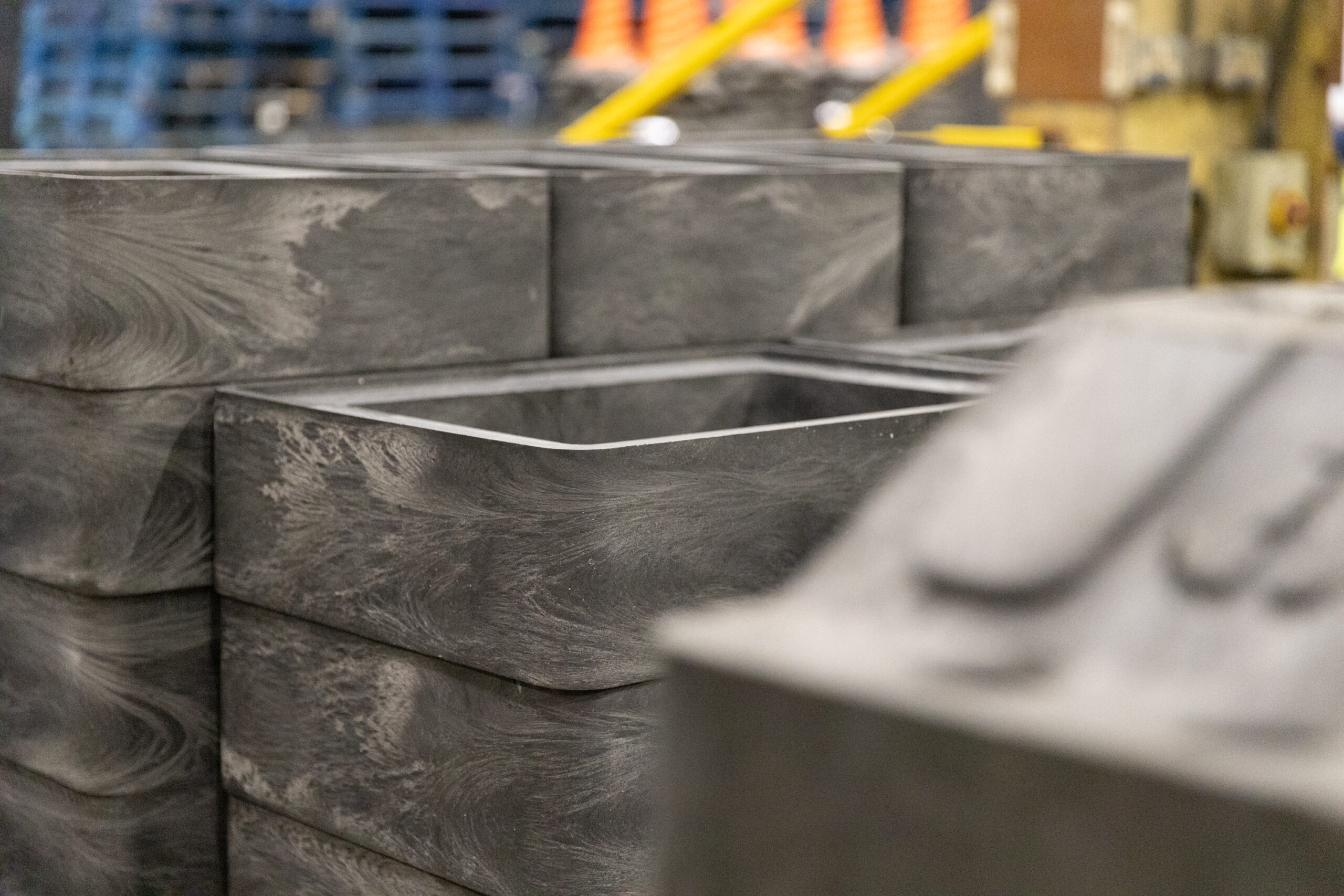
Access chambers made in the UK at Heyside Group
How Heyside Group integrates closed loop plastic recycling in its production process

At Heyside, we help our customers meet their sustainability goals with our return service, which allows them to send back products that are no longer fit for use, for us to remanufacture into recycled infrastructure that works just as good as new.

From our Oldham site, we clean, regrind, and manufacture end-of-life products like cones, barrier feet, and fence blocks, into new similar components, cutting the need for virgin plastic, whilst making sure the material we use is of a consistently high quality.

We specialise in the processing of UK industrial PVC plastic waste too, shredding scrap flooring, then using it in our injection moulding machines. Recently, we’ve made steps to increase our production capacity too, placing investment into automation and robotics to maximise how much material we can process, while improving consistency and efficiency.

Overall, we’ve made closed loop plastic recycling a central part of our production, making sure our products can be continually reprocessed into something new, strengthening our own and our customer’s commitments to greener manufacturing.

FAQS

What is closed loop plastic recycling?
Closed loop plastic recycling is a process where plastic waste is collected, processed, and remanufactured into products that are the same or similar to their original form. This allows materials to be reused repeatedly without significant loss of quality.
What is closed loop plastic recycling?
Closed loop plastic recycling is a process where plastic waste is collected, processed, and remanufactured into products that are the same or similar to their original form. This allows materials to be reused repeatedly without significant loss of quality.
How is closed loop recycling different from open loop recycling?
Closed loop recycling keeps materials within the same product cycle (e.g. barrier feet into barrier feet), whereas open loop recycling converts materials into different types of products, often with reduced quality or limited future recyclability.
How is closed loop recycling different from open loop recycling?
Closed loop recycling keeps materials within the same product cycle (e.g. barrier feet into barrier feet), whereas open loop recycling converts materials into different types of products, often with reduced quality or limited future recyclability.
I work in / with the construction / traffic management sector, how does closed loop recycling benefit me?
It means you reduce your own waste, minimising costs in the long run and helping you reach sustainability targets.
I work in / with the construction / traffic management sector, how does closed loop recycling benefit me?
It means you reduce your own waste, minimising costs in the long run and helping you reach sustainability targets.
Does recycled plastic comprise product quality?
No. At Heyside we only use the best quality recycled plastics, which maintain consistent durability over time, even when recycled multiple times.
Does recycled plastic comprise product quality?
No. At Heyside we only use the best quality recycled plastics, which maintain consistent durability over time, even when recycled multiple times.
Can Heyside customers contribute to the closed loop recycling process?
Of course! We offer a return service, taking your used product, and remaking it into new products to be used again on the road and onsite.
Can Heyside customers contribute to the closed loop recycling process?
Of course! We offer a return service, taking your used product, and remaking it into new products to be used again on the road and onsite.
How much plastic does Heyside recycle?
We process 300-400 tonnes of plastic per week, continually diverting high-quality plastic waste away from UK landfill sites.
How much plastic does Heyside recycle?
We process 300-400 tonnes of plastic per week, continually diverting high-quality plastic waste away from UK landfill sites.

CONCLUSION

Closed loop plastic recycling is becoming an increasingly practical way to manage materials more efficiently, offering a straightforward route to reducing waste and improving sustainability. Working with a manufacturer like Heyside Group helps you reduce reliance on overseas virgin plastics, benefit from a more consistent UK-based supply, and maintain dependable product performance. Get in touch today to learn how we can help you meet the growing demand for sustainable, British-made plastic products, while lowering your waste.

Ready to start your project?

Get in touch with Heyside Group to discuss your idea, request a feasibility review,
or explore tooling options tailored to your application.