
How Circular Manufacturing Is Reshaping the Construction Sector

How Circular Manufacturing Is Reshaping the Construction Sector

Author Name

Mark Haywood
March 10, 2026

Author Name

Mark Haywood
March 10, 2026

Author Name

Mark Haywood
March 10, 2026
As sustainability moves from ambition to expectation, circular manufacturing is reshaping construction. By designing out waste, extending product lifecycles and reusing materials, manufacturers and contractors are reducing environmental impact while improving efficiency, resilience and long-term value across the supply chain.
From linear to circular: a fundamental shift
Circularity begins at the design stage.
Reuse and longevity over replacement
Closing the loop with recycled materials
Collaboration across the supply chain
From linear to circular: a fundamental shift
Circularity begins at the design stage.
Reuse and longevity over replacement
Closing the loop with recycled materials
Collaboration across the supply chain
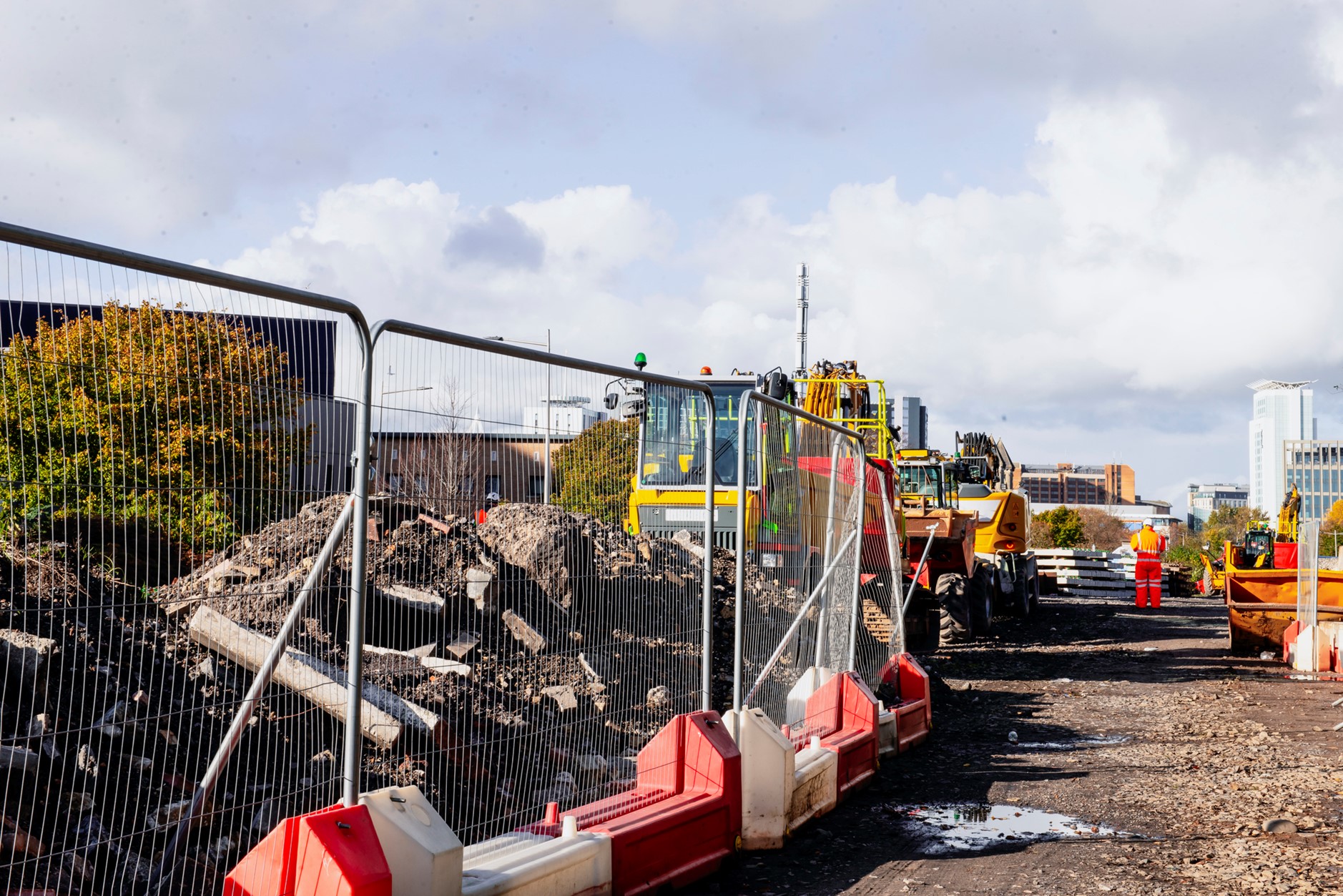
Construction site with plastic infrastructure
From linear to circular: a fundamental shift

The construction sector has traditionally followed a linear model: extract, manufacture, use, dispose. While effective for rapid development, this approach has contributed to high material waste, rising costs and growing environmental pressure.

Circular manufacturing challenges that model. Instead of viewing products as disposable, it designs them for longevity, reuse and reintegration – keeping materials in circulation for as long as possible.

For construction, infrastructure and traffic management, this shift isn’t theoretical. It’s already changing how products are designed, specified and manufactured.
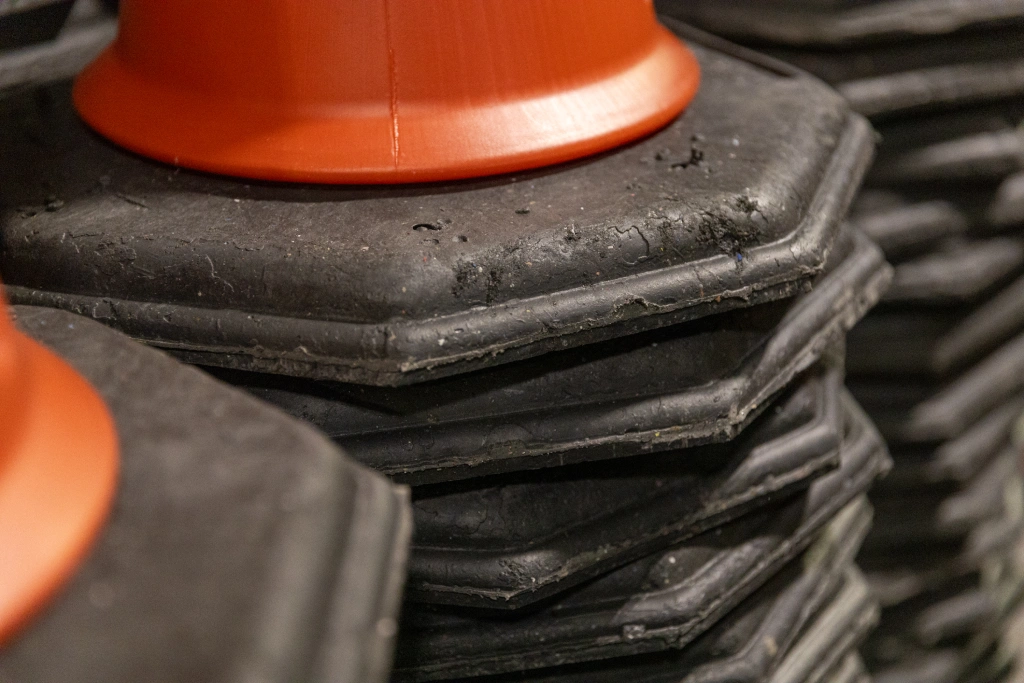
Heyside Group cones
Circularity begins at the design stage.

Products created for circular manufacturing are engineered with their full lifecycle in mind – how they’re made, used, reused and ultimately recycled. This means:

  • Fewer mixed materials that are hard to separate
  • Components designed for durability rather than single use
  • Manufacturing processes optimised to reduce offcuts and scrap

Injection moulding plays a key role here. It enables precise material use, repeatable quality and scalable production – helping manufacturers minimise waste while maintaining performance at volume.
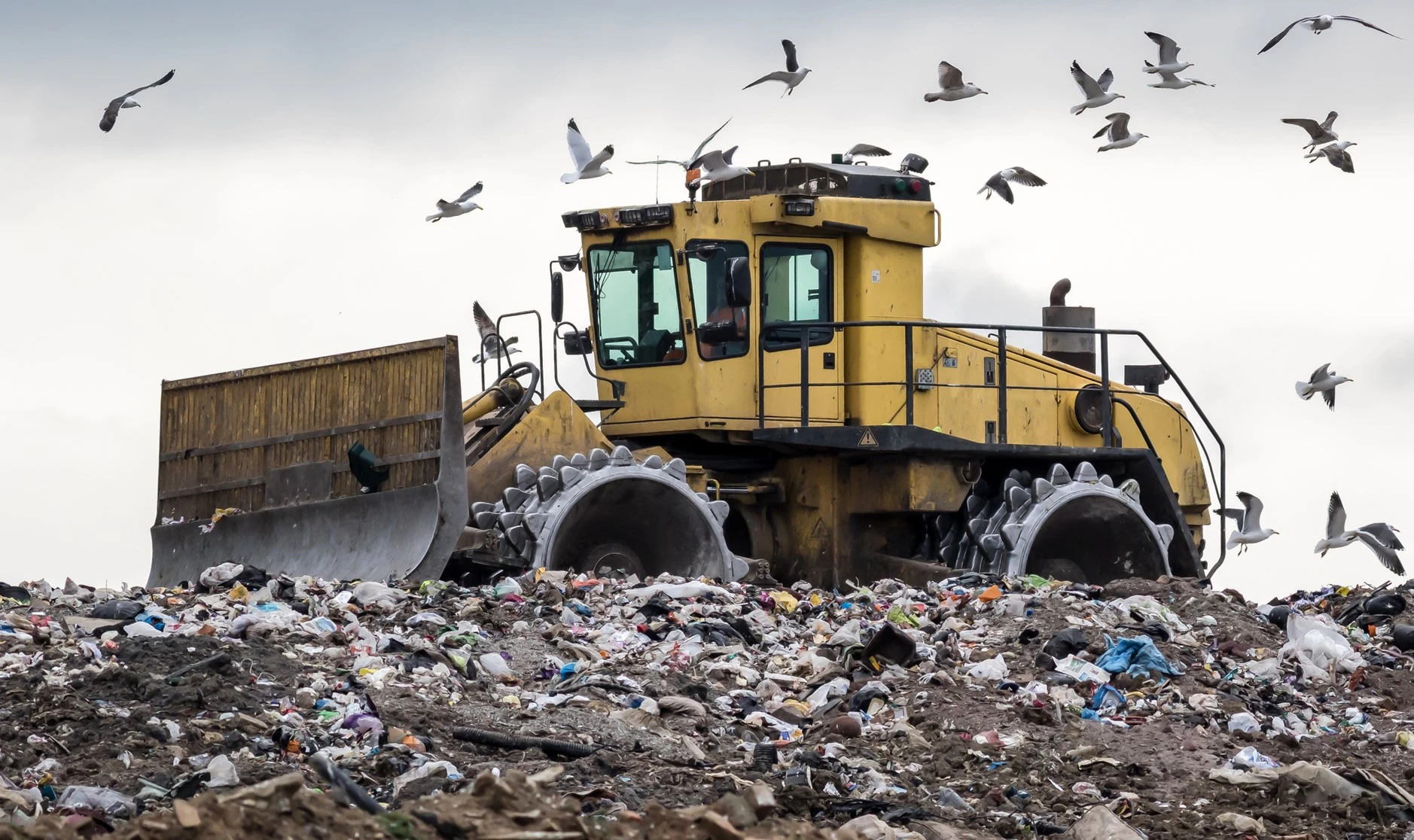
Landfill site with plastic waste
Reuse and longevity over replacement

In construction, temporary doesn’t have to mean disposable.

Circular manufacturing prioritises products that can withstand repeated handling, transport and exposure to the elements. Rather than replacing damaged items project after project, contractors increasingly specify solutions designed for multiple lifecycles.

This approach reduces:

  • Raw material consumption
  • Waste sent to landfill
  • Ongoing procurement costs

It also supports more predictable planning, particularly on long-term infrastructure and framework contracts.
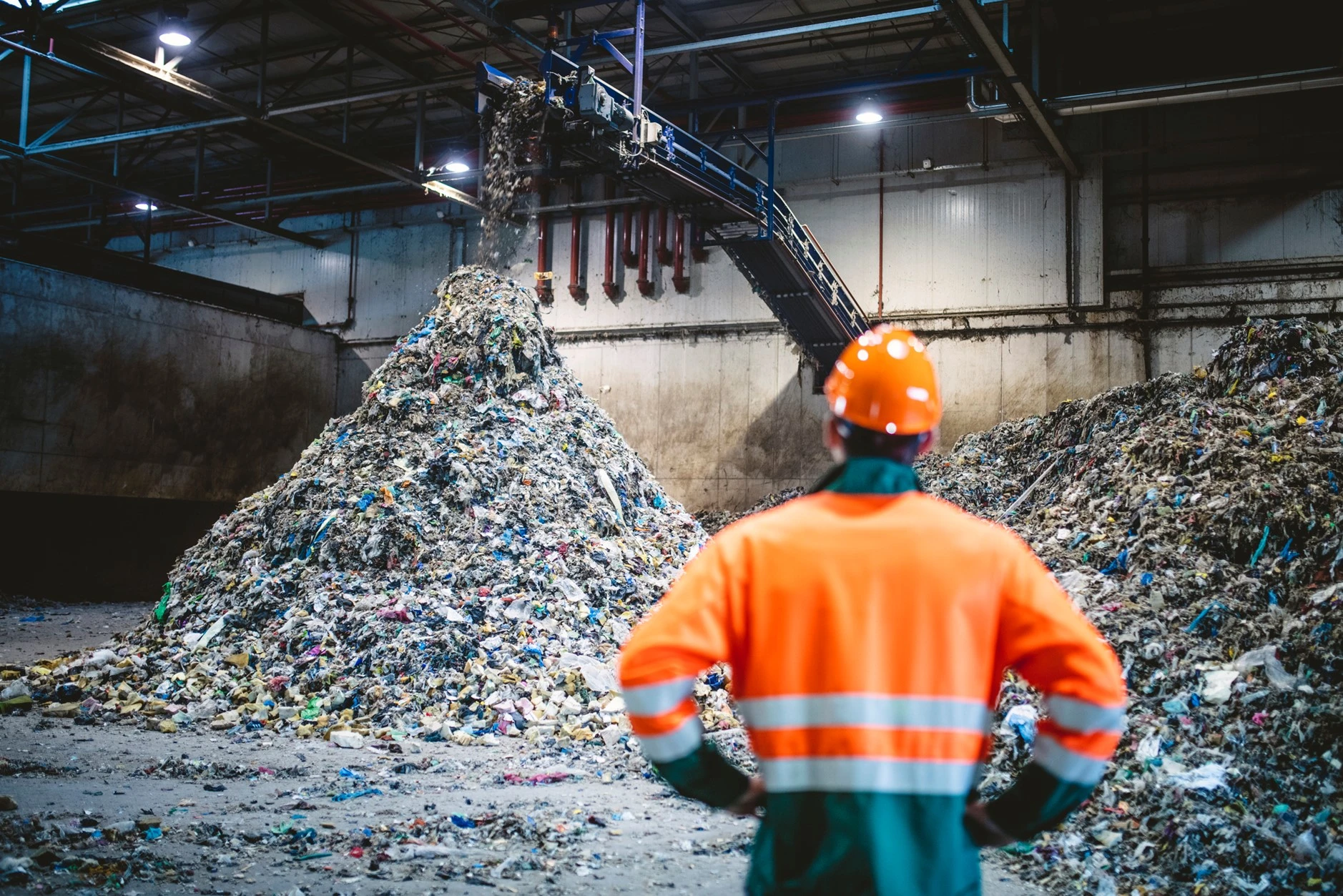
Large scale plastic product recycling
Closing the loop with recycled materials

Another defining feature of circular manufacturing is the use of recycled and recyclable materials.

Plastics, when designed responsibly, can be part of a circular system. Reprocessed polymers can be reintegrated into manufacturing without compromising strength or functionality – particularly for non-structural construction and site safety applications.

By closing the loop, manufacturers reduce dependence on virgin materials while supporting clients’ sustainability targets and reporting requirements.
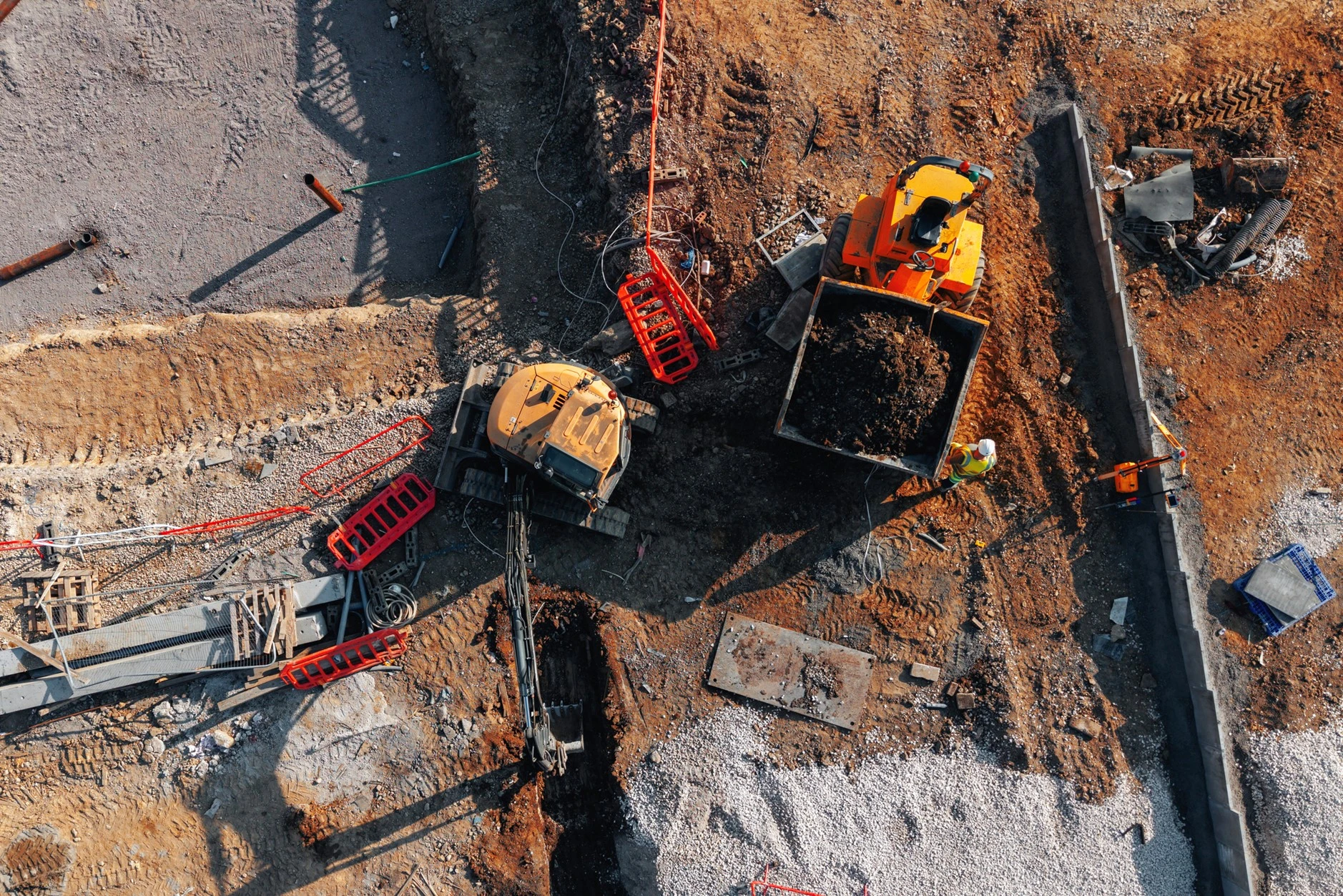
Construction site from above, with plastic infrastructure
Collaboration across the supply chain

Circular manufacturing doesn’t happen in isolation. It relies on collaboration between designers, manufacturers, contractors and end users. Open communication ensures products are specified correctly, used as intended and recovered where possible at the end of their service life.

At Heyside Group, working alongside clients to co-create, prototype and manufacture injection moulded products at scale enables circular thinking to be embedded from concept through to delivery. Engineering meets ingenuity, and collaboration meets trust – ensuring solutions work not just in theory, but on site.

FAQS

What is circular manufacturing in construction?
It’s an approach that designs products for reuse, longevity and recycling – reducing waste and keeping materials in circulation rather than disposing of them after use.
What is circular manufacturing in construction?
It’s an approach that designs products for reuse, longevity and recycling – reducing waste and keeping materials in circulation rather than disposing of them after use.
Can circular manufacturing work at scale?
Yes. Technologies such as injection moulding enable consistent, high-volume production while supporting recycled materials and waste reduction.
Can circular manufacturing work at scale?
Yes. Technologies such as injection moulding enable consistent, high-volume production while supporting recycled materials and waste reduction.
Is circular manufacturing more expensive?
Initial design and material choices may differ, but long-term savings are often realised through reduced waste, fewer replacements and improved lifecycle performance.
Is circular manufacturing more expensive?
Initial design and material choices may differ, but long-term savings are often realised through reduced waste, fewer replacements and improved lifecycle performance.
How can construction companies adopt circular principles?
By specifying durable, reusable products, working closely with manufacturers and considering full product lifecycles – not just upfront cost.
How can construction companies adopt circular principles?
By specifying durable, reusable products, working closely with manufacturers and considering full product lifecycles – not just upfront cost.

CONCLUSION

As regulations tighten and sustainability expectations grow, circular manufacturing is becoming a competitive advantage rather than a nice-to-have.

Ready to start your project?

Get in touch with Heyside Group to discuss your idea, request a feasibility review,
or explore tooling options tailored to your application.