

How weighted plastic feet outperform sandbags in site safety

How weighted plastic feet outperform sandbags in site safety

Author Name

Mark Haywood
March 26, 2026

Author Name

Mark Haywood
March 26, 2026

Author Name

Mark Haywood
March 26, 2026

So you’ve got an idea for a new plastic product but you’re not sure where to start and how to move from design to manufacture? Well, that’s where Heyside Group can help with trade moulding solutions. Designing a custom moulded product can feel complex, especially if it’s your first time developing a component for a specialist application. This step-by-step guide walks you through the full process, from concept and material selection to tooling and testing, to help you understand how manufacturers like Heyside turn ideas into production-ready, moulded parts.
Why the industry is moving beyond sandbags
Consistent weight means predictable performance
Improved safety for workers and the public
Designed for durability and reuse
Why the industry is moving beyond sandbags
Consistent weight means predictable performance
Improved safety for workers and the public
Designed for durability and reuse
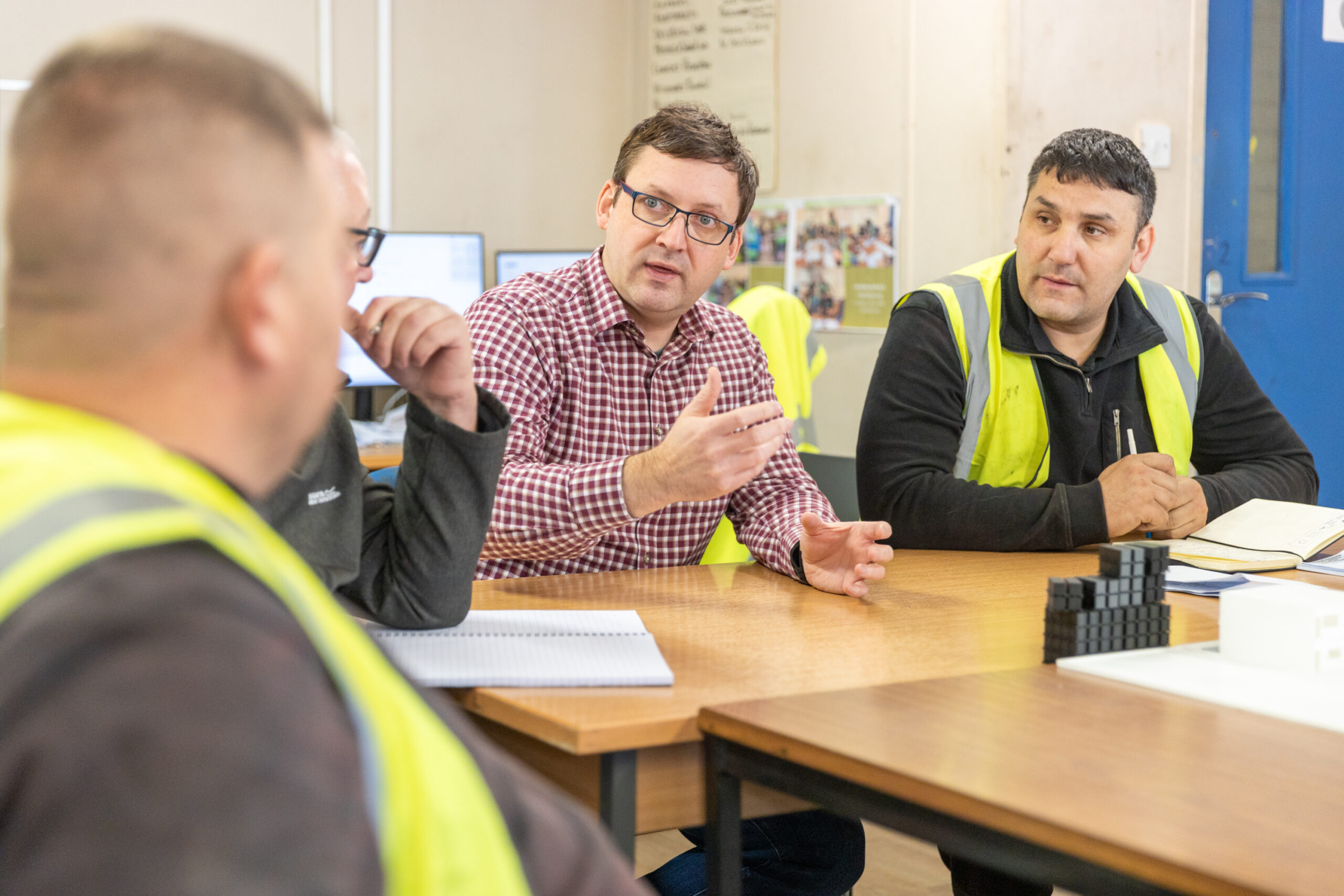
Product consulting at Heyside Group office
Why the industry is moving beyond sandbags

For decades, sandbags have been the go-to solution for stabilising temporary barriers, fencing and signage. They’re cheap, familiar and widely available. But as construction, infrastructure and traffic management projects become more regulated, more time-pressured and more safety-critical, the limitations of sandbags are becoming harder to ignore. 

Weighted plastic feet are emerging as a smarter alternative – designed specifically for modern site conditions rather than adapted from a general-purpose solution. 

At Heyside Group, we work alongside clients to co-create, prototype and manufacture injection moulded products at scale. That hands-on collaboration has given us clear insight into why weighted plastic feet are now outperforming sandbags across the UK. 
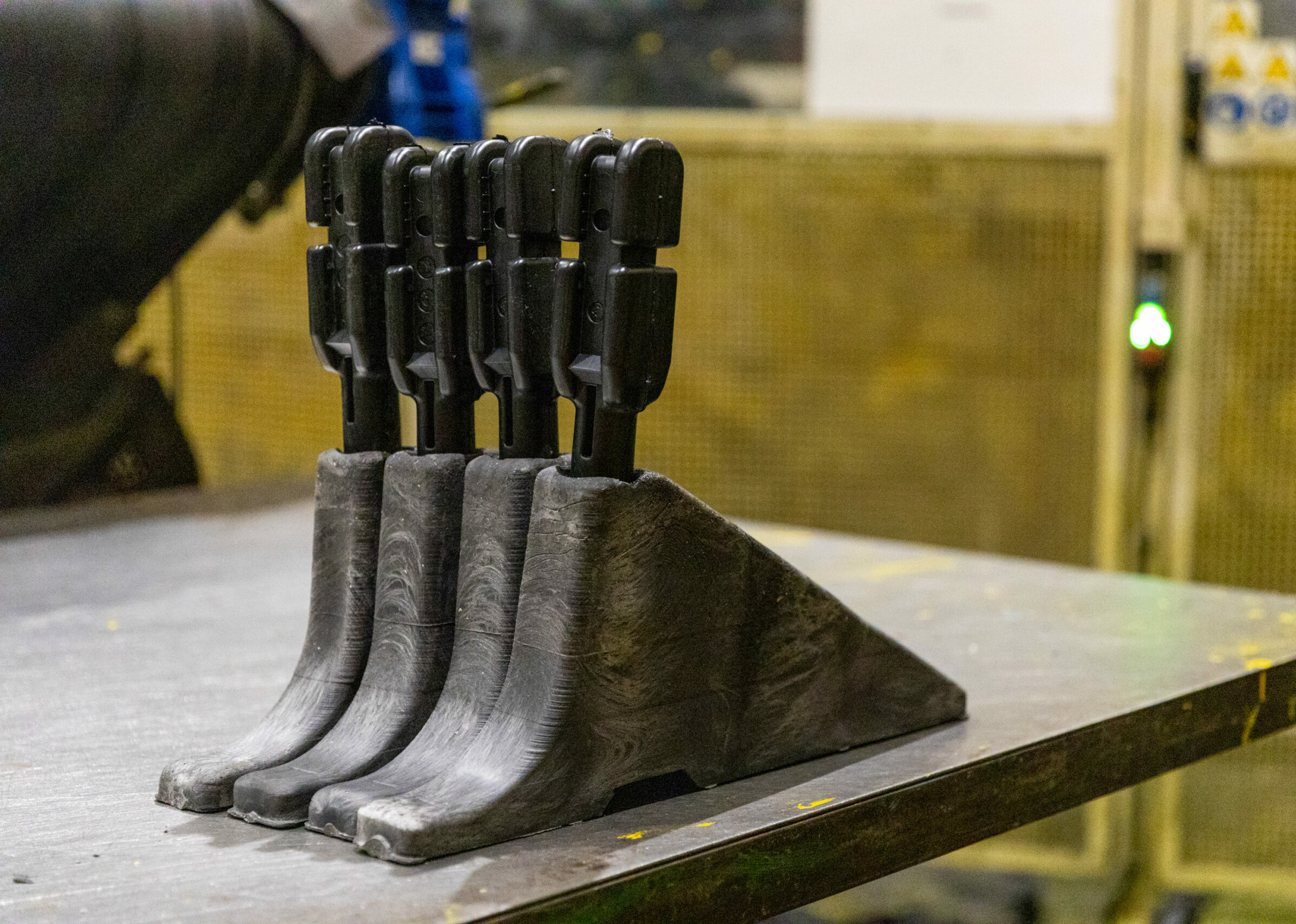
Heyside Group barrier feet
Consistent weight means predictable performance

One of the biggest weaknesses of sandbags is inconsistency. 

  • Sandbags can lose weight when wet or damaged 
  • Fill levels vary from bag to bag 
  • Settling and compaction change performance over time 


Weighted plastic feet are engineered to a precise specification. Every unit delivers the same mass, balance and stability – making performance predictable and repeatable across a site. 

For traffic management and construction teams, that consistency reduces risk assessments, simplifies planning and improves compliance. 
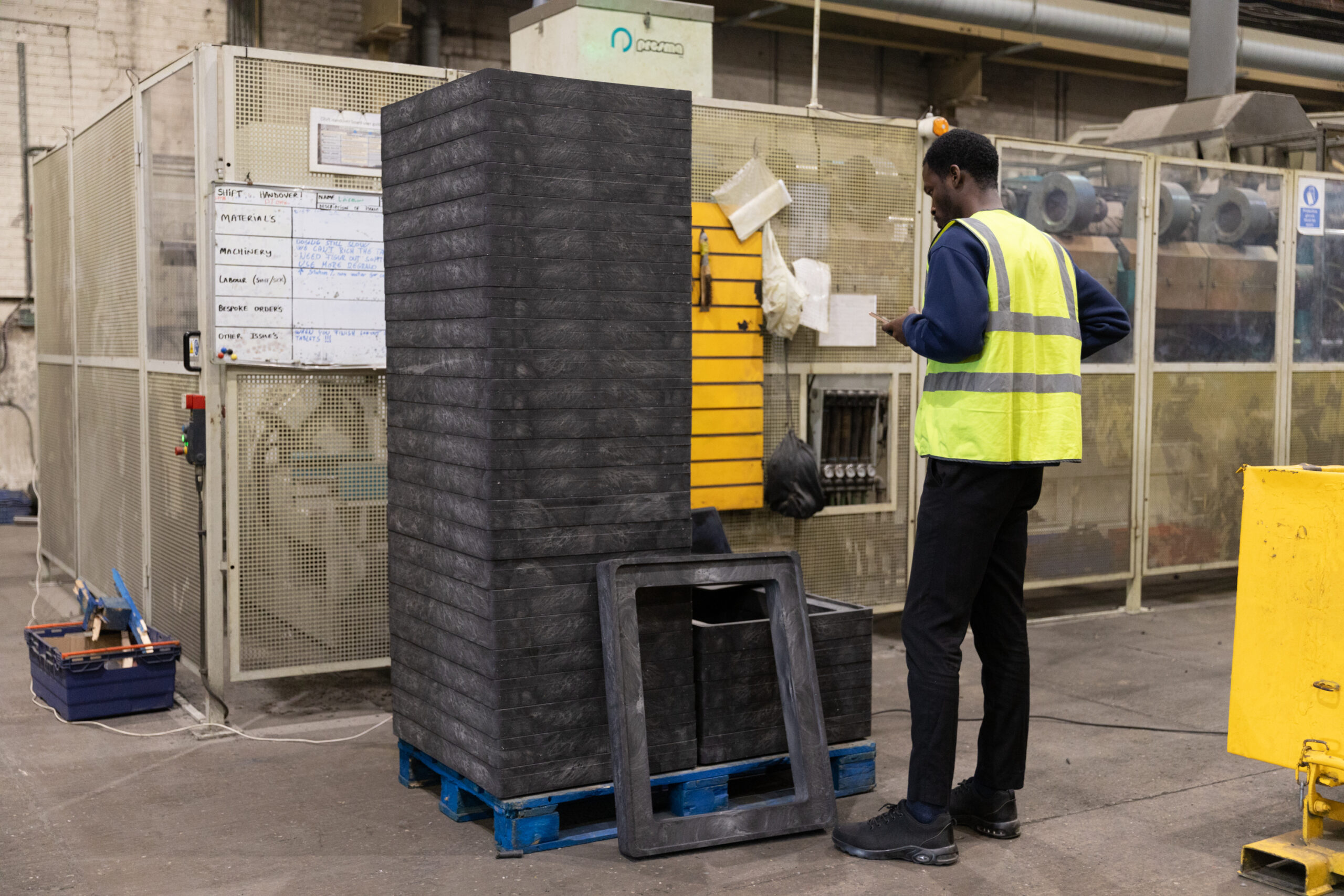
Traffic management infrastructure production at Heyside Group's Oldham factory
Improved safety for workers and the public

Manual handling is a major concern on active sites. Sandbags are awkward, unstable to lift and prone to tearing – often spilling sand onto walkways and carriageways. 

Weighted plastic feet are designed with ergonomics in mind: 

  • Integrated handholds for safer lifting 
  • No loose material to spill 
  • Smooth, stable bases that reduce trip hazards 


The result is fewer injuries during installation and removal, and a safer, tidier environment for both operatives and the public. 
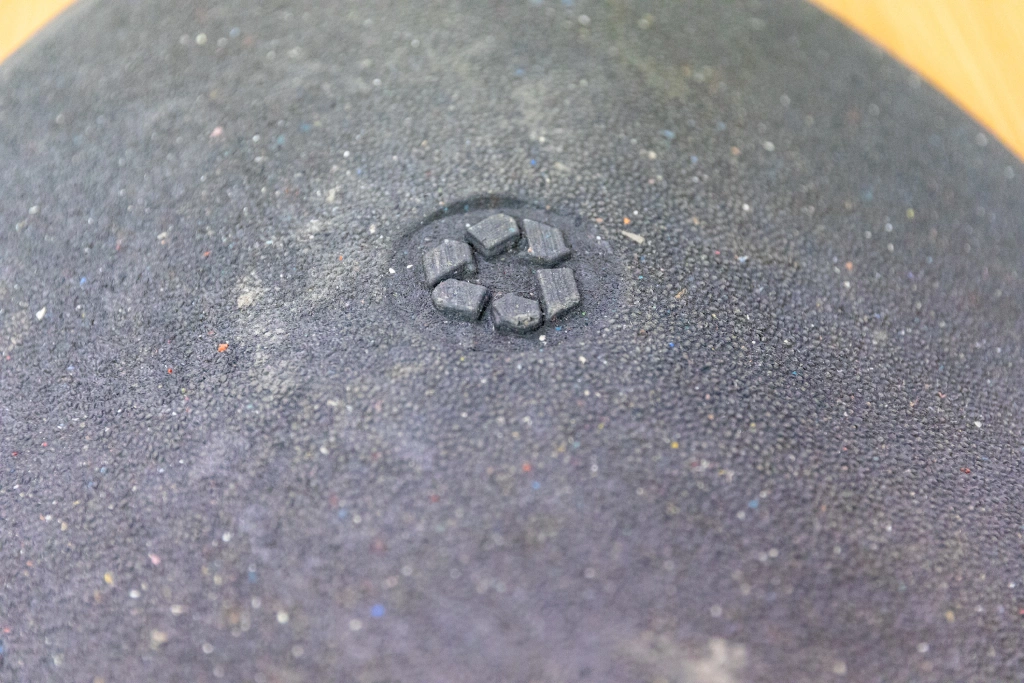
Heyside Group's recycles 300 tonnes of plastic per week as part of its sustainable production methods
Designed for durability and reuse

Sandbags are often single-use. Once damaged or contaminated, they’re discarded – adding waste and ongoing replacement costs. 

Injection moulded weighted feet are built for longevity. They withstand weather, repeated handling and transport, making them a more sustainable and cost-effective solution over time. 

This durability aligns with the growing focus on reuse, waste reduction and long-term value across construction and infrastructure sectors. 

FAQS

Are weighted plastic feet compliant with UK site safety requirements?
Yes. They are designed to meet the stability and safety expectations of modern construction, traffic management and infrastructure projects.
Are weighted plastic feet compliant with UK site safety requirements?
Yes. They are designed to meet the stability and safety expectations of modern construction, traffic management and infrastructure projects.
Do plastic feet work in high-wind or exposed locations?
When correctly specified, weighted plastic feet provide consistent stability and often outperform sandbags in exposed conditions due to their balanced design.
Do plastic feet work in high-wind or exposed locations?
When correctly specified, weighted plastic feet provide consistent stability and often outperform sandbags in exposed conditions due to their balanced design.
Are weighted plastic feet more expensive than sandbags?
Initial unit costs can be higher, but their durability, reusability and reduced clean-up often make them more cost-effective over a project’s lifetime.
Are weighted plastic feet more expensive than sandbags?
Initial unit costs can be higher, but their durability, reusability and reduced clean-up often make them more cost-effective over a project’s lifetime.
Can weighted plastic feet be customised?
Absolutely. Injection moulding allows for bespoke weights, shapes and features – tailored to specific site requirements and applications.
Can weighted plastic feet be customised?
Absolutely. Injection moulding allows for bespoke weights, shapes and features – tailored to specific site requirements and applications.

CONCLUSION

The shift away from sandbags isn’t just about materials – it’s about mindset. By combining engineering expertise with open communication and constant innovation, Heyside Group collaborates with clients to develop site safety products that genuinely work in the real world. From early-stage prototyping to large-scale manufacture, trust and collaboration are built into every solution. Weighted plastic feet are a clear example of how thoughtful design can outperform tradition – delivering safer, cleaner and more reliable outcomes on site. Find out more about our products here.

Ready to start your project?

Get in touch with Heyside Group to discuss your idea, request a feasibility review,
or explore tooling options tailored to your application.