
Step by step designing and making a custom moulded product

Step by step designing and making a custom moulded product

Author Name

Mark Haywood
May 29, 2026

Author Name

Mark Haywood
May 29, 2026

Author Name

Mark Haywood
May 29, 2026
At Heyside Group, we’re well-versed in creating custom moulded plastic products for customers looking for a bespoke solution to meet cross-sector challenges. In our latest blog, our Managing Director Matt Pryce takes you step-by-step through our New Product Development process, so you can learn how we turn customer concepts into completed products.
Ideation and 3D modelling
Prototyping, refining, and tooling
Manufacturing and scaling
Ideation and 3D modelling
Prototyping, refining, and tooling
Manufacturing and scaling
Plastic product development at injection moulding manufacturer Heyside Group
Step 1
Ideation and 3D modelling

Every product has to start with an idea, and at Heyside we believe the best ideas deserve to become real-world products. Our New Product Development (NPD) process starts with a conversation with our customers, to understand their needs and provide the technical insight to make a product function properly.

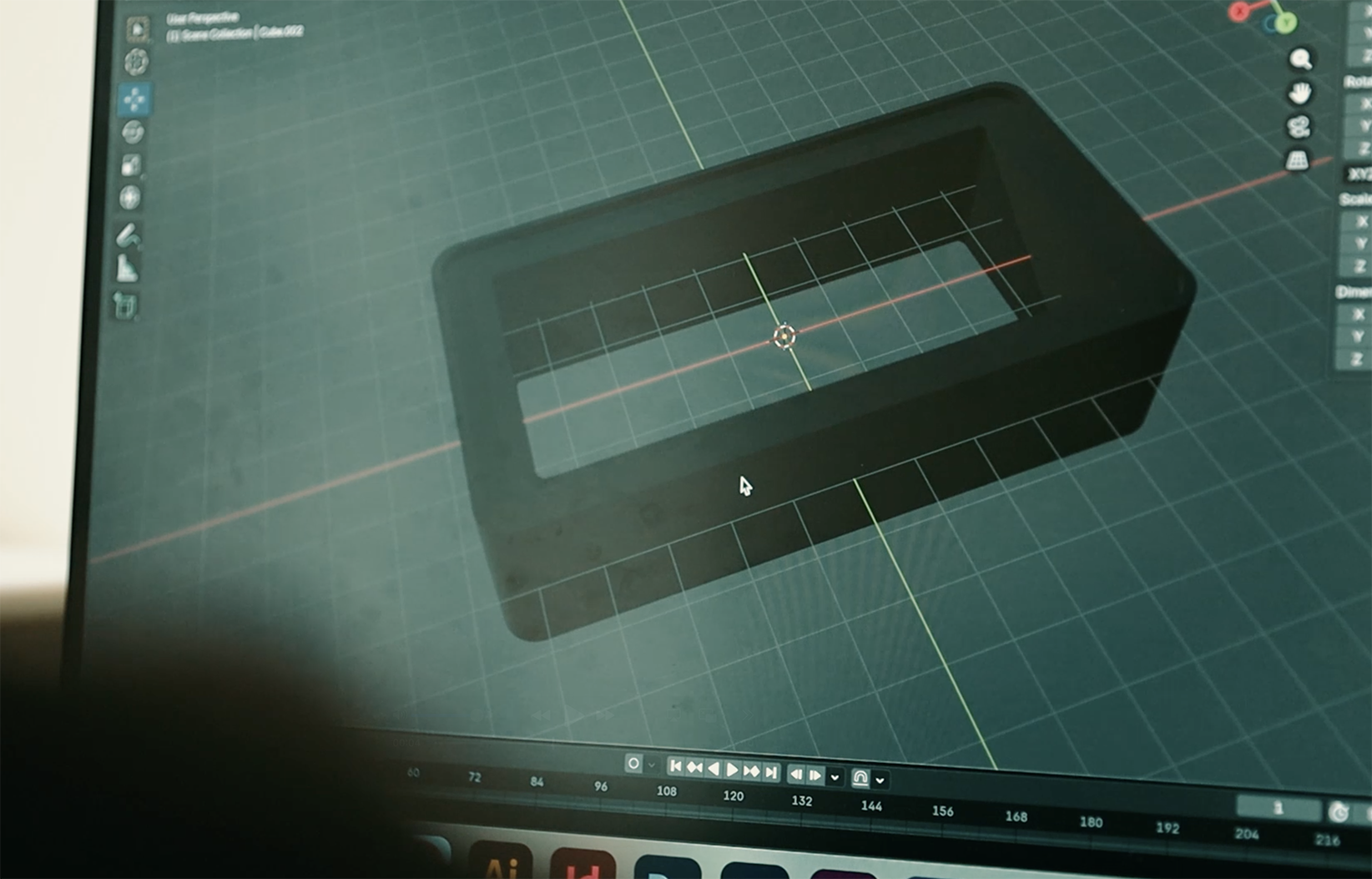
Using advanced CAD software and vast experience from working with sectors ranging from traffic management to the water industry, we give our customers a direct route from concept to manufacture. We review products with our clients all the way through development, with 3D modelling helping to bring designs to life visually.
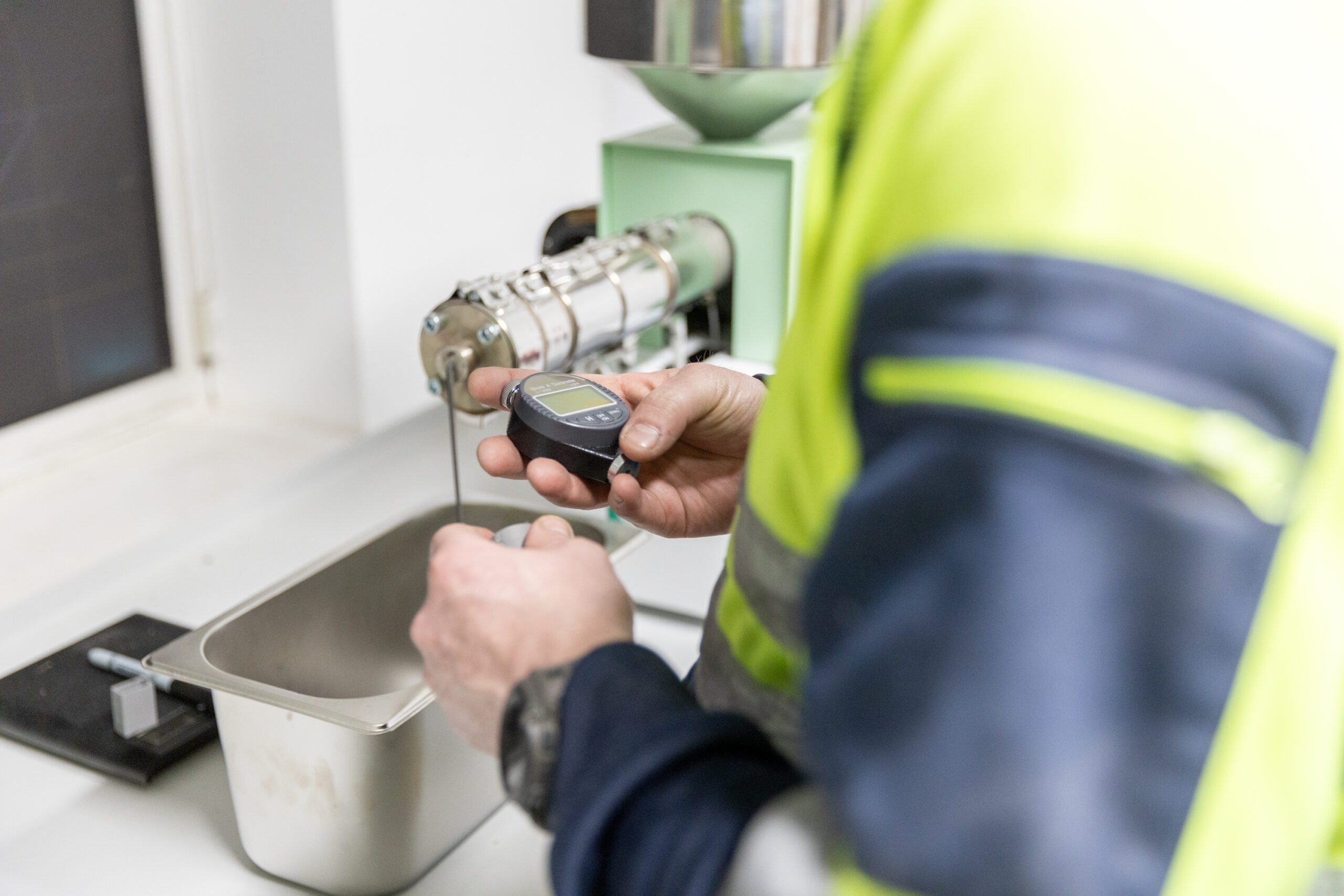
Heyside Group operative uses machinery in injection moulding project
Step 2
Prototyping, refining, and tooling

Once a product design has been agreed, we move on to prototyping. Using our 3D printers, in this step we create a physical representation of what the customer’s end product will look like. At this stage we test and refine further, to verify shapes, materials, and product elements before the final tooling is created.

We can create physical samples throughout the design and prototyping processes, using our in-house tooling to improve accuracy and minimise risk before full-scale production begins. When our customer has signed off the prototype samples, we then move on to making the mould for full scale production.
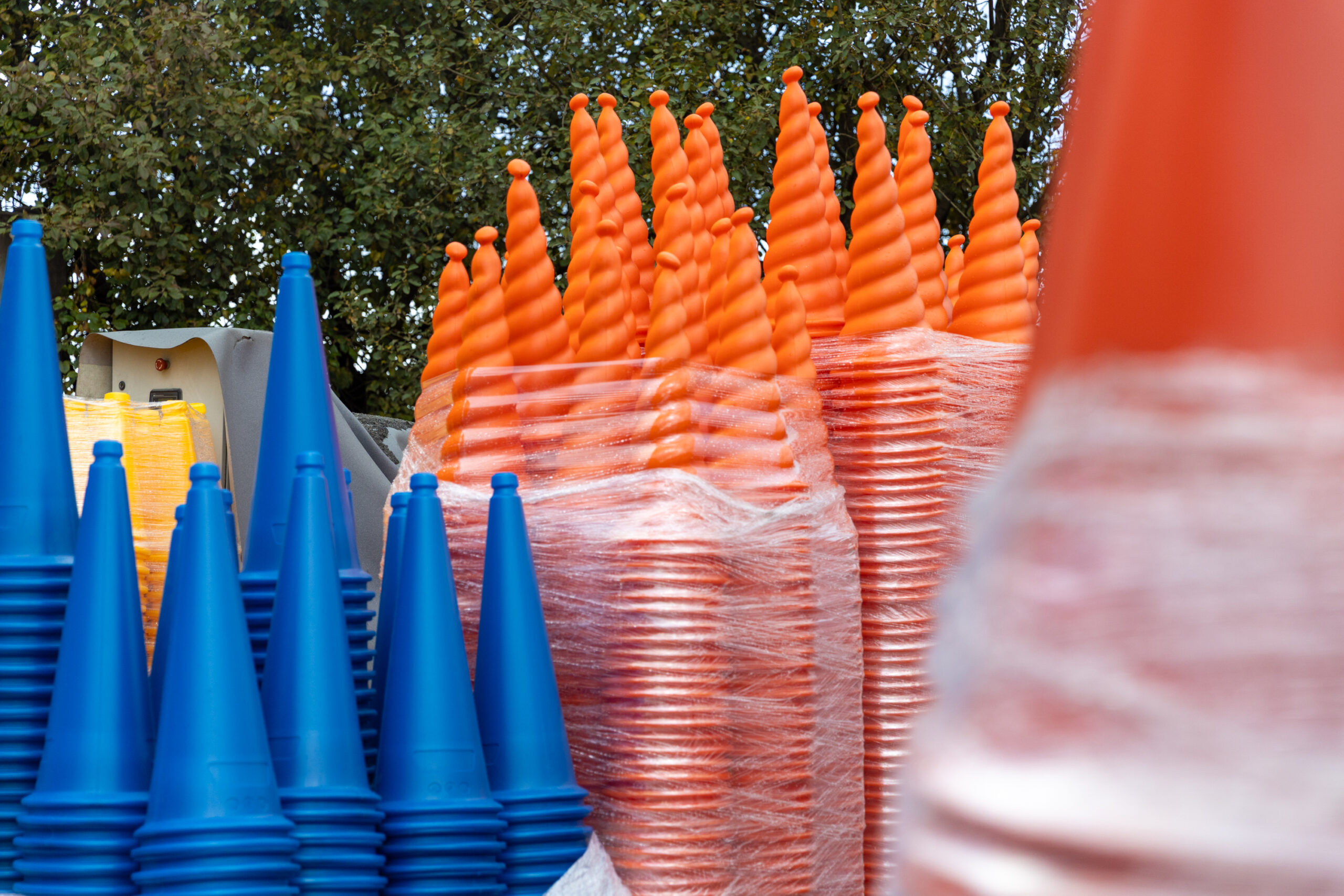
Traffic cones
Step 3
Manufacturing and scaling

Once the mould has been created, the final step is manufacturing the product. This is where we select with the customer the material to manufacture the product – often from our high-quality blend of recycled waste plastic. All the material Heyside use is also 100% recyclable at end of life – and feeding it into one of our industrial injection moulding machines.

The process involves molten material being injected under high pressure into the custom-made mould, ensuring consistency and structural integrity for each product. After checking in again with our customers and reviewing the final product, we can scale up manufacturing, using our mass production capabilities across our 40,000 sqft UK factory.

If a customer decides further down the line they want to update the product, we take a step back to the design and prototyping stage and amend the product appropriately, before redesigning the tooling and starting production again.

FAQS

How does injection moulding work?
Injection moulding involves melting plastic material and injecting it into a custom-made mould at high pressure. Once cooled and solidified, the finished product is removed from the mould, ready for inspection.
How does injection moulding work?
Injection moulding involves melting plastic material and injecting it into a custom-made mould at high pressure. Once cooled and solidified, the finished product is removed from the mould, ready for inspection.
What happens after the mould design is completed?
Once the mould has been created, the manufacturing stage begins. The chosen material is fed into an injection moulding machine, where it is heated and injected into the mould under high pressure to produce consistent, high-quality products.
What happens after the mould design is completed?
Once the mould has been created, the manufacturing stage begins. The chosen material is fed into an injection moulding machine, where it is heated and injected into the mould under high pressure to produce consistent, high-quality products.
Can recycled plastic be used in injection moulding?
Yes. High-quality recycled waste plastic can be used in injection moulding to manufacture durable products while reducing environmental impact and supporting more sustainable production processes.
Can recycled plastic be used in injection moulding?
Yes. High-quality recycled waste plastic can be used in injection moulding to manufacture durable products while reducing environmental impact and supporting more sustainable production processes.
How do you maintain quality during production?
Quality is maintained by batch testing the material prior to manufacturing to give a consistent blend of material and through customer reviews, product inspections, and consistent process monitoring throughout manufacturing. Final products are checked before full-scale production begins.
How do you maintain quality during production?
Quality is maintained by batch testing the material prior to manufacturing to give a consistent blend of material and through customer reviews, product inspections, and consistent process monitoring throughout manufacturing. Final products are checked before full-scale production begins.
Can a product design be changed after production starts?
Yes. If adjustments are needed later in the process, the product can return to the design and prototyping stage, where modifications are made before manufacturing resumes.
Can a product design be changed after production starts?
Yes. If adjustments are needed later in the process, the product can return to the design and prototyping stage, where modifications are made before manufacturing resumes.
Can products be manufactured at scale?
Yes. Once the product has been approved, manufacturing can be scaled up at Heyside using mass production capabilities to efficiently produce larger order volumes while maintaining consistent quality.
Can products be manufactured at scale?
Yes. Once the product has been approved, manufacturing can be scaled up at Heyside using mass production capabilities to efficiently produce larger order volumes while maintaining consistent quality.
What are the benefits of custom injection moulding?
Custom injection moulding allows businesses to create precise, repeatable products tailored to their specifications, with benefits including scalability, efficiency, material flexibility, and reduced production waste.
What are the benefits of custom injection moulding?
Custom injection moulding allows businesses to create precise, repeatable products tailored to their specifications, with benefits including scalability, efficiency, material flexibility, and reduced production waste.

CONCLUSION

Whether you’re developing a completely new product or refining an existing design, a structured injection moulding process helps ensure quality, consistency, and scalability from concept through to completion. Get in touch with our team to learn how detailed prototyping, precision tooling, and high-volume manufacturing capabilities, can help us bring your products to market faster.

Ready to start your project?

Get in touch with Heyside Group to discuss your idea, request a feasibility review,
or explore tooling options tailored to your application.