

Author Name
Author Name
Author Name
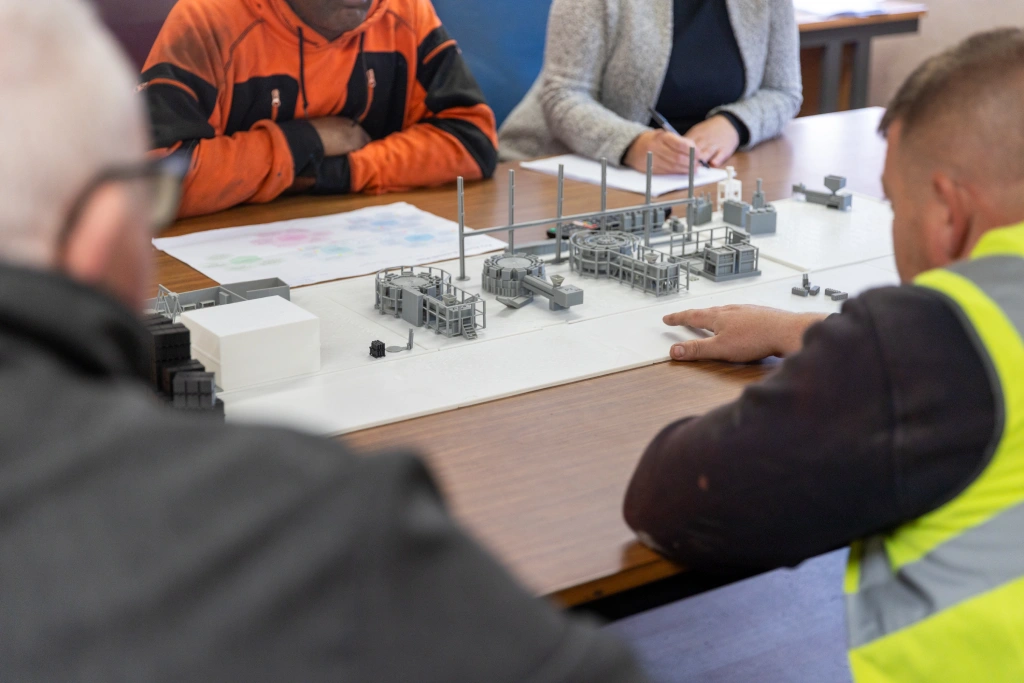
In recent years, we’ve found that our two biggest hurdles were skills development, and supply chain uncertainty.
Moving to sophisticated machinery has meant we’ve needed to build a more technically capable workforce, but the local manufacturing skills pool has declined over recent years. At the same time, shipping delays and other global events have led us to rethink our reliance on using overseas components in our products.
We decided we needed expert help with these issues – and our Finance Director, Garreth Brown, contacted the GM Business Growth Hub for advice.
After initially looking to explore potential grant funding, it quickly became clear that the support available was far broader. Our advisor from the Hub visited the site, understood our goals, and showed us how the Hub could help with skills development, digital adoption, automation, and wider innovation support.
We were connected with Made Smarter, a UK-government backed initiative for helping manufacturers adopt advanced technologies, which enabled investment in digital systems like a new server and invoice-scanning software. We also had access to digital internships, bringing new capability to the business, and we were signposted to Northern Engineering and Robotics Innovation Centre (NERIC), which gave us technical assurance on automation plans, and linked us to training.
We received a £500,000 loan from the Greater Manchester Combined Authority (GMCA)’s GM Advance fund, which has been transformative in helping us meet our ambitions.
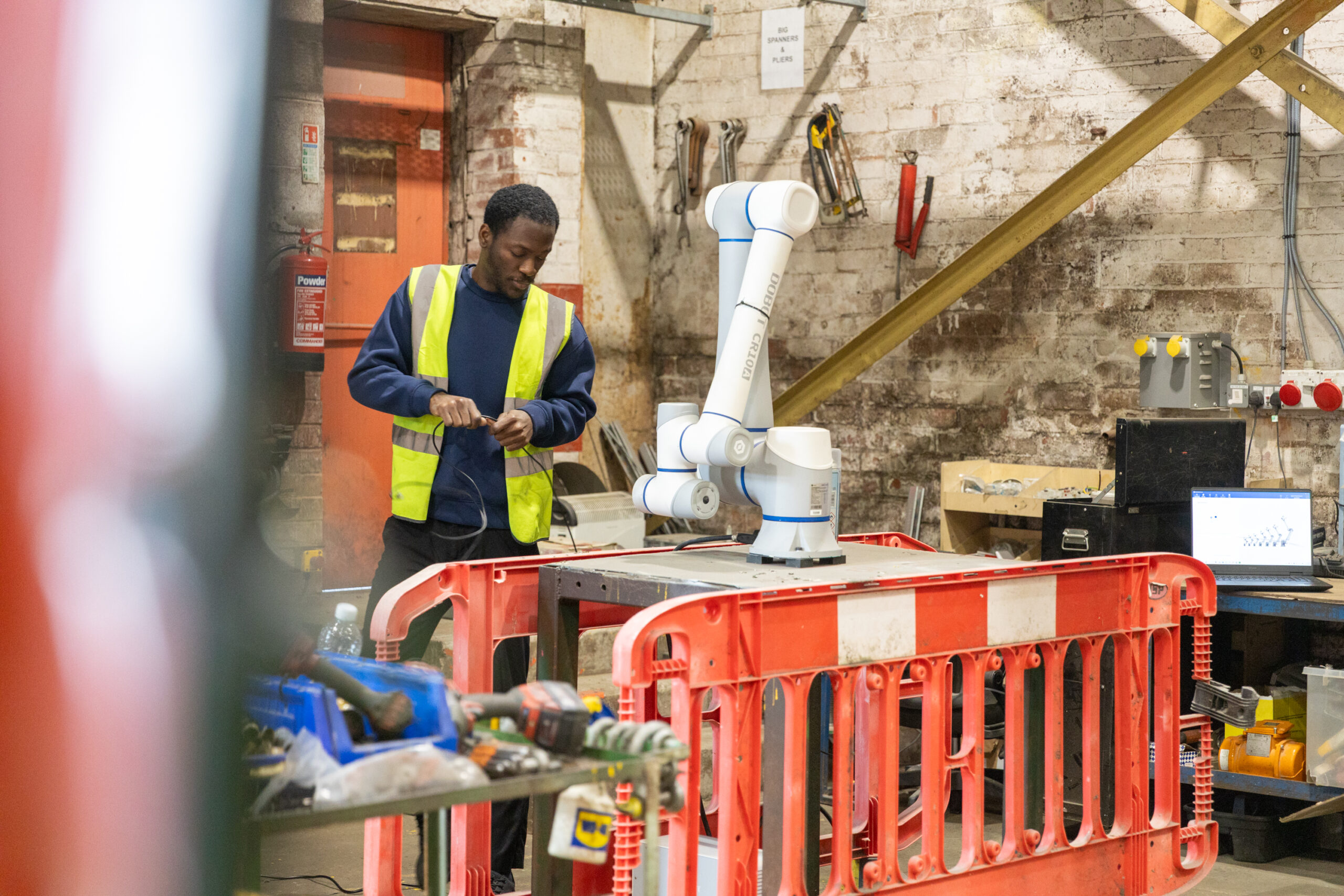
It has allowed to invest £200,000 in new tooling to shift products from older compression moulding processes onto modern injection lines, improving consistency and efficiency. It’s also supporting the wider robotic paint-spray system, including conveyors, spray booths, and precision spray heads, which compliments the robotic arm we secured through the Growth Hub’s innovation fund.
The loan supports our Knowledge Transfer Partnerships with the University of Lancashire and Salford University too, which has given us academic expertise in materials, automation, and robotics.
We’ve also had support from Oldham Council, with a £10,000 technology grant that enabled us to install an automated feed system.
As automation becomes fully embedded in our processes, we expect to see a 40 to 60% increase in production capacity within five years. We’re also set to reduce downtime, increase product consistency, and enter new markets such as rail, defence, and international sectors.
Alongside this investment in growth, we’ve partnered with marketing agency Fantastic on a new brand, positioning, and website, to support our ambitions.
Here at Heyside Group, we have three major ambitions.
The first is to expand our export activity, particularly within the Middle East, where we know infrastructure demand is high.
The second is to grow our product development capabilities so we can design and manufacture bespoke solutions for new sectors.
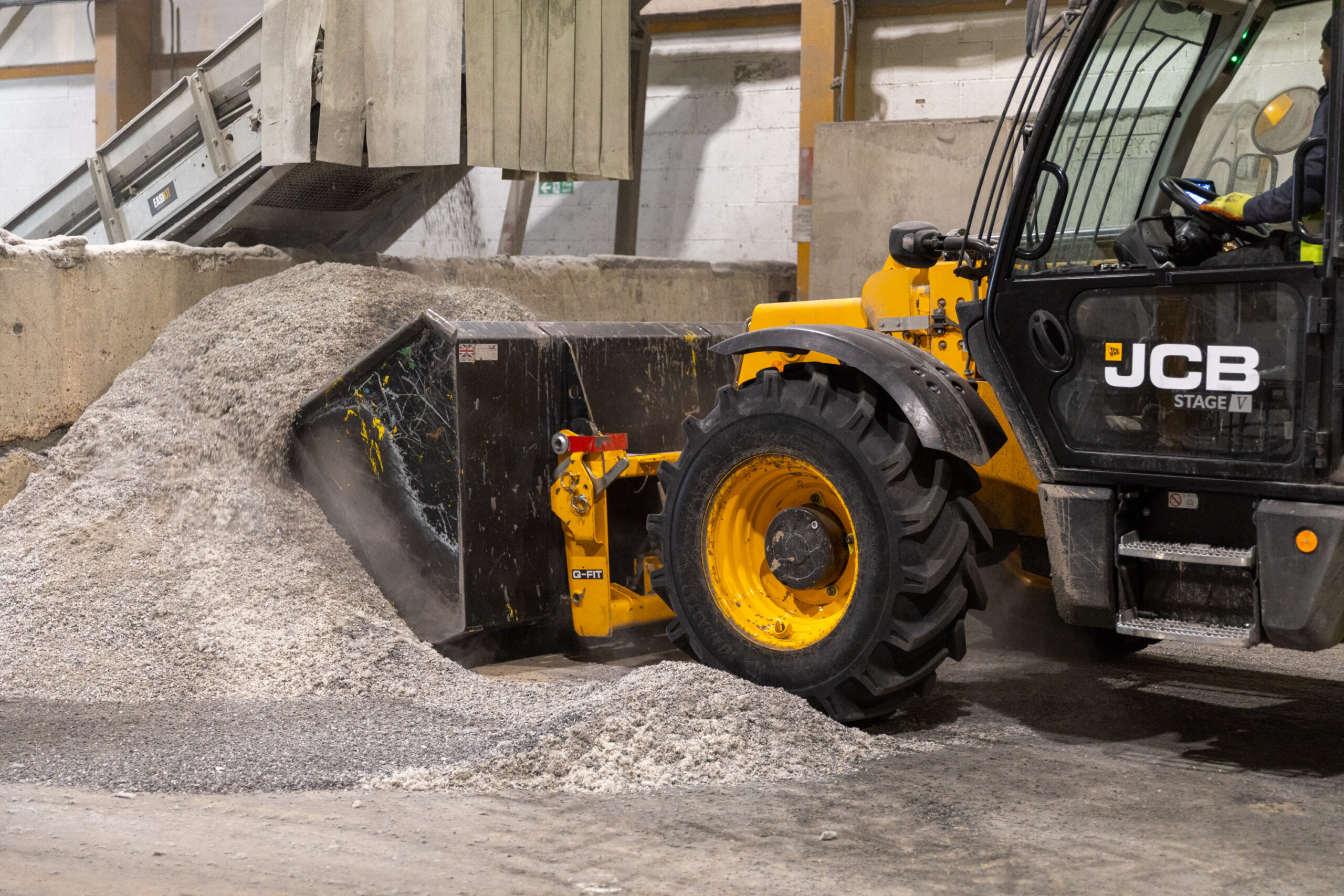
Thirdly, we’re looking to expand into new materials, and we want to become a leading supplier of recycled PVC pellets.
Everything we’re doing now, in both increasing our production capacity and diversifying what we can produce, is laying the foundation for the future.
FAQS
CONCLUSION
Ready to start your project?
Get in touch with Heyside Group to discuss your idea, request a feasibility review,
or explore tooling options tailored to your application.
"*" indicates required fields